
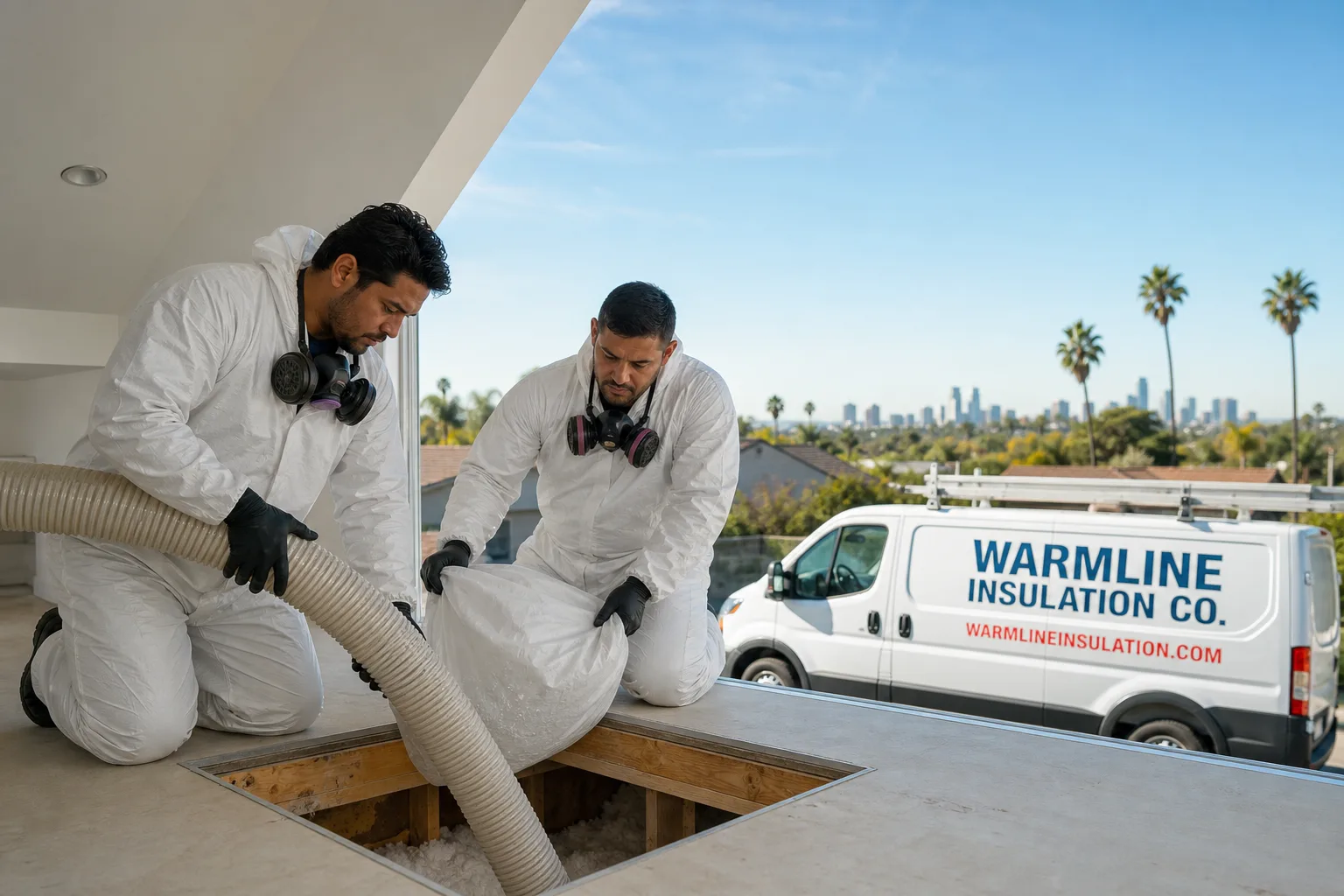
Fast, Reliable Attic Insulation Across Matthews
If your Matthews home was built between the late 1980s and 2008, your attic insulation is almost certainly underperforming. Homes from that era typically went in with R-19 to R-22 fiberglass batts, but North Carolina’s current energy code calls for R-38 to R-49. That gap means your AC runs longer every summer while your upstairs still feels five degrees warmer. Our crews work in Matthews every week, and we can usually have someone at your door within 24 to 48 hours for an inspection and a written quote. Call (855) 657-3403 and you’ll reach a live person, not a voicemail, any time day or night.
Why Warmline Insulation Co. Is Matthews’s Preferred Attic Insulation Company
Warmline Insulation Co. has been doing full-spectrum insulation work since 2011, and we treat every Matthews job as a building-science problem, not a quick layer of fluff. Our Attic Insulation crews know what’s behind the walls in the subdivisions off Weddington Road and Stallings Road because we’ve opened enough of them to see the pattern: settling batts, unsealed top plates, and crawl spaces quietly soaking up humid Piedmont air. Homeowners in Matthews keep calling us back because we diagnose the actual problem before quoting a fix, and because our work is backed by a 90-Day Done Right Promise. If it’s not right, we make it right. In writing.
Every technician we send to a Matthews home is background-checked, uniformed, and trained on the specific failure modes common to 1990s and 2000s tract construction. Live person answers the phone, 24/7. Most jobs get completed in a single visit, with upfront pricing before we start. We’re led by Neil Ashford, and we’re licensed and insured on every project, from a simple attic top-up to full removal and replacement.
Our Attic Insulation Services in Matthews
Blown-In Attic Insulation
Blown-in cellulose or fiberglass is the fastest way to get a Matthews attic from R-19 up to code. We typically blow GreenFiber cellulose or Knauf fiberglass to a consistent depth that hits R-38 or R-49, depending on your existing setup. In the 1990s-era two-story colonials around downtown Matthews and the subdivisions spreading south, this is almost always the right first move. It fills the odd cavities and settles less than old batts.
Attic Batt Insulation
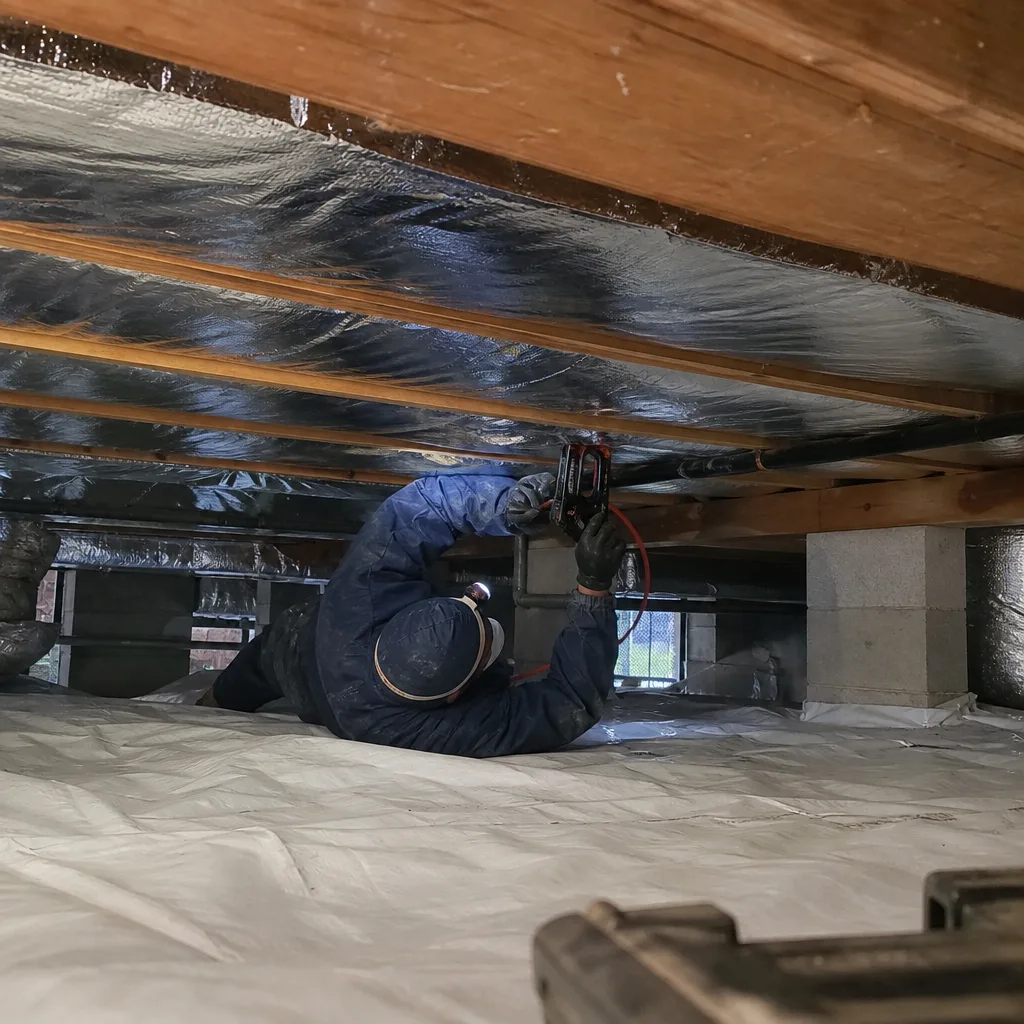
For attics with open framing or knee walls, batt insulation still makes sense when installed correctly, which means contact on all six sides, no compression, and no gaps at the top plate. Most original batt work we see in Matthews ranch homes and two-stories was stapled face-down to the joists, which leaves the edges open to air movement. We re-install with the right fit and the right R-value. Materials come from Rockwool, CertainTeed, or Johns Manville, depending on the application.
Attic Insulation Top-Up
If your existing attic insulation is dry, clean, and not compacted, a top-up is the most cost-effective route to a cooler house and a lower Duke Energy bill. We see a lot of Matthews homes with R-19 still in decent physical shape, and adding 10 to 12 inches of blown-in fiber or cellulose on top brings the assembly to R-49 without a full tear-out. We inspect for mold, pest damage, and air leaks first, so you don’t end up burying a problem. A typical top-up in Matthews runs $1,200 to $2,800 depending on attic size and access.
Attic Insulation Replacement
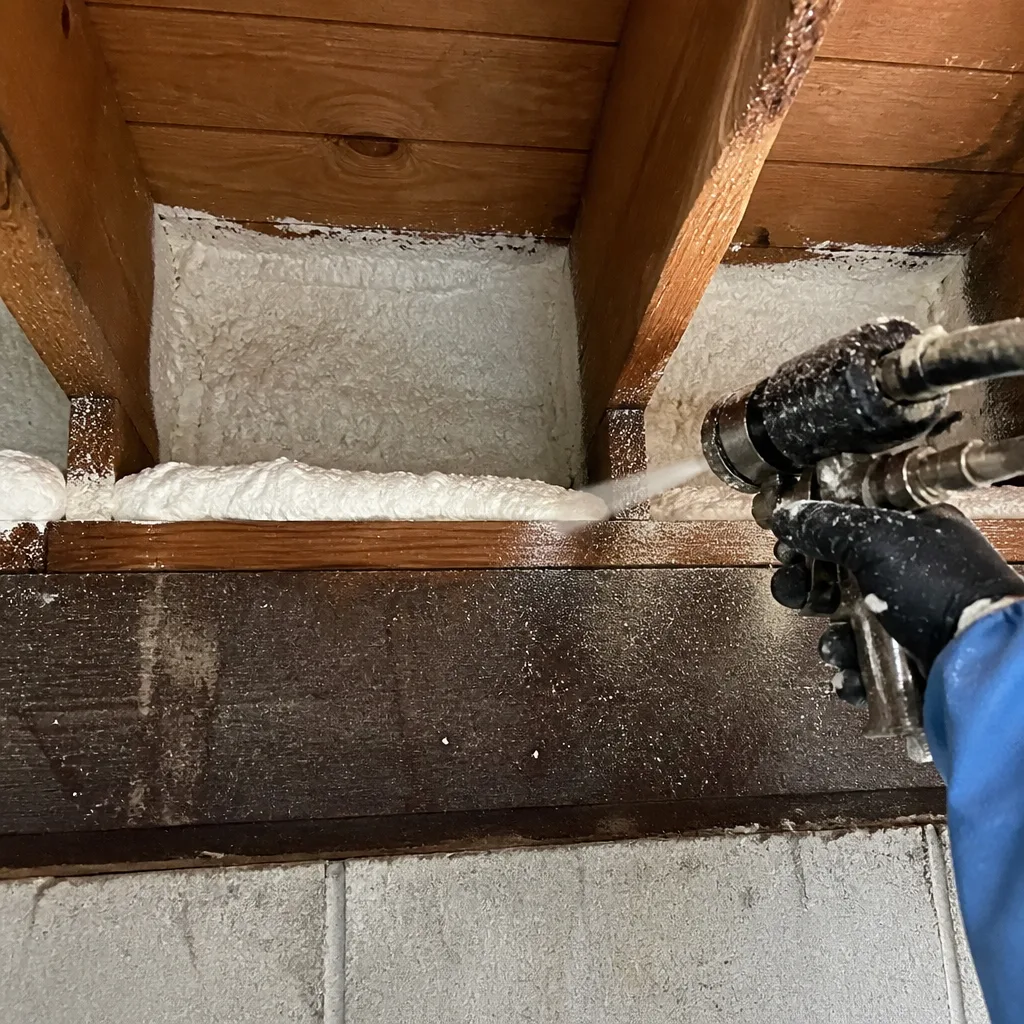
When old insulation is soaked, rodent-soiled, or compressed to half its original depth, removing it is the only honest fix. This applies to a lot of Matthews attics where a past roof leak or years of humid-air bypass left the material matted down. We remove the old material, sanitize the deck, air-seal the attic floor, and blow fresh insulation to current code. It’s a bigger job than a top-up, but it resets the house to a known condition.
Attic Baffles & Ventilation Prep
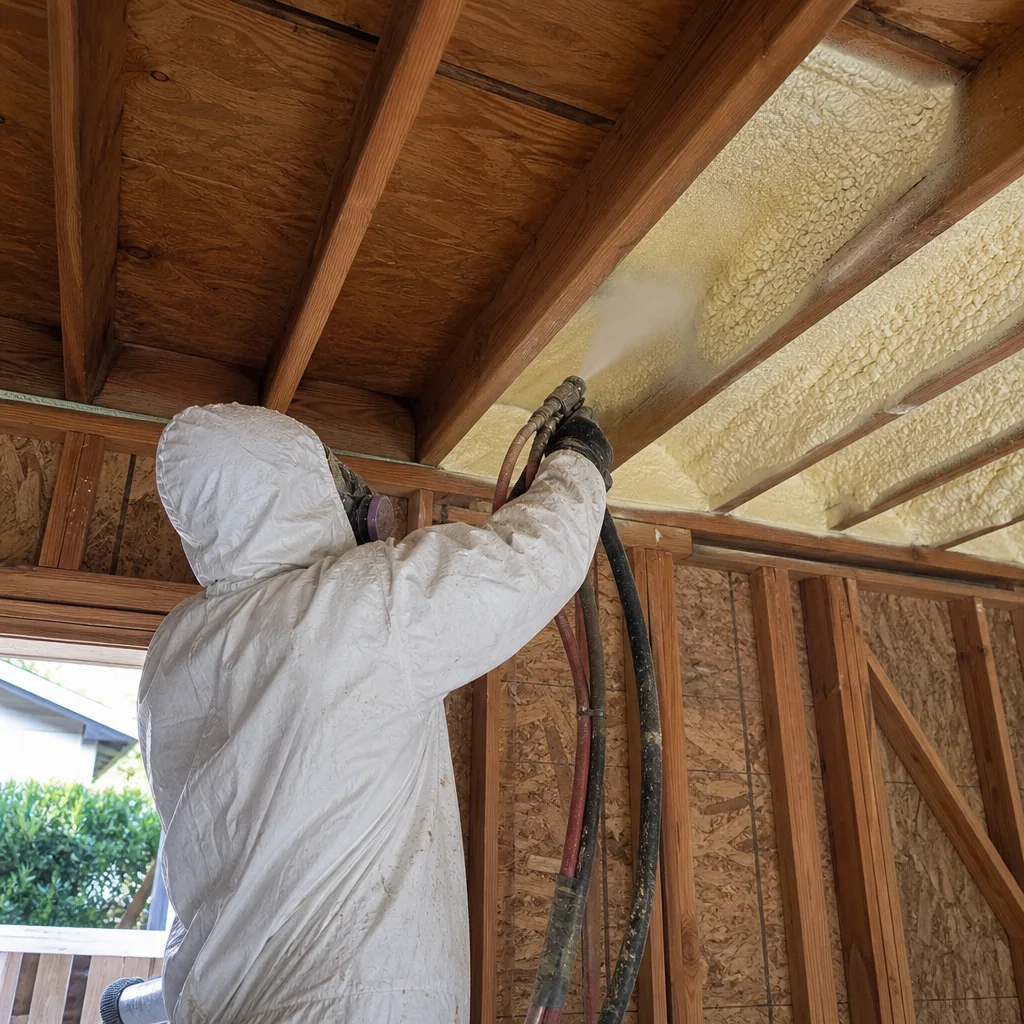
Before any new insulation goes in, baffles matter. In Matthews’s mixed-humid climate, a blocked soffit turns an attic into a moisture trap. We install or repair baffles along the eaves to keep airflow moving from the soffits to the ridge or gable vents, then prep the attic for insulation. Skipping this step in a Matthews home means hot, damp air sits against the roof deck from June through September. That’s how you get sheathing rot and shingle curl.
What happens when you call
- 1
A real person answersNo phone trees - you reach a local pro.
- 2
You get an upfront price rangeHonest numbers before anyone is dispatched.
- 3
A background-checked tech heads outLicensed & insured, dispatched right away.
- 4
You approve before work beginsNothing starts until you say go.
Trusted Brands We Service in Matthews
We install and service insulation from the brands building scientists actually specify: Owens Corning, Rockwool, CertainTeed, Icynene, Demilec, Johns Manville, Knauf, and GreenFiber. For Matthews customers specifically, we stock enough blown-in cellulose and fiberglass on our trucks to complete most top-up jobs same-visit. If your existing attic has Rockwool or CertainTeed batts that need matching or removal, we handle that too. You don’t pay a premium for brand familiarity; you pay for the right material in the right place.
Common Attic Insulation Problems We See in Matthews Homes
Matthews has a specific housing stock with specific failure patterns. Here’s what we run into most often:
- Settled R-19 to R-22 original insulation. Homes built between 1988 and 2008 were insulated to pre-2009 codes that are now 50% or more below current attic standards. Settling makes that gap even worse. The result is an attic that barely slows heat gain in July.
- Unsealed top plates and recessed lights. In 1990s tract homes west of downtown Matthews, we routinely find open seams at the drywall-to-framing junction and unsealed can lights that let conditioned air pour into the attic. On ice-storm nights, that’s where your heat goes.
- Collapsed crawl-space batts under the house. Along Weddington Road and Stallings Road, the original fiberglass batts stapled between floor joists have absorbed years of humid summer air. They’re hanging, soaked, and doing nothing. That’s a crawl-space problem that also affects how the attic behaves.
- Blocked or missing soffit baffles. When a Matthews attic can’t breathe, summertime attic temps climb past 140°F and the insulation can’t do its job. We see this in homes where siding or a roof replacement closed off the soffit channels without anyone noticing.
Pricing for Attic Insulation in Matthews, NC
Here are honest ranges for the Matthews market, based on what we’ve quoted recently. A blown-in attic top-up for a typical 1,800-square-foot 1990s two-story runs $1,200 to $2,800. Full removal and replacement of old, compacted, or contaminated insulation runs $2,500 to $5,500 depending on attic size, access difficulty, and whether we’re also air-sealing. Attic baffle installation and ventilation prep runs $400 to $1,200 as a standalone job, and less when bundled with insulation. Batt installation in open attic spaces typically runs $1,800 to $4,000. What moves the price: attic square footage, current insulation depth, access, air-sealing scope, and whether rodent cleanup is involved. We give upfront written pricing. No surprise line items mid-job. Call (855) 657-3403 for a free estimate, and ask about the standing offers: $50 off any repair over $250, an $89 seasonal tune-up, and a permanent 5% discount for seniors and veterans.
We Also Serve Cities Near Matthews
Our Matthews crews also cover Attic Insulation in Matthews surrounding communities, including Pineville, Charlotte, Harrisburg, and Belmont. If you’re on the edge of Matthews or just outside it, call anyway. We’ll let you know right away if we can get to you this week.
Serving Matthews, NC - Our Local Coverage Area
We’re based in the Matthews area and know this community well. Use the map below to see our service coverage - if you’re nearby, we can almost certainly help.
FAQs - Attic Insulation in Matthews
Your house passed inspection under the code that existed in 1998, and that code allowed R-19 attics. North Carolina’s building code has since moved to R-38 or R-49 in Climate Zone 3A, where Matthews sits. The code change isn’t about safety; it’s about energy loss and moisture control. R-19 loses roughly 50% more heat than R-38 in winter and admits significantly more summer heat. That’s why your upstairs runs hot every August afternoon despite a newer AC system. The gap is real, and closing it is the highest-ROI improvement you can make to a Matthews home built before 2009. Call (855) 657-3403 for an attic inspection quote, free.
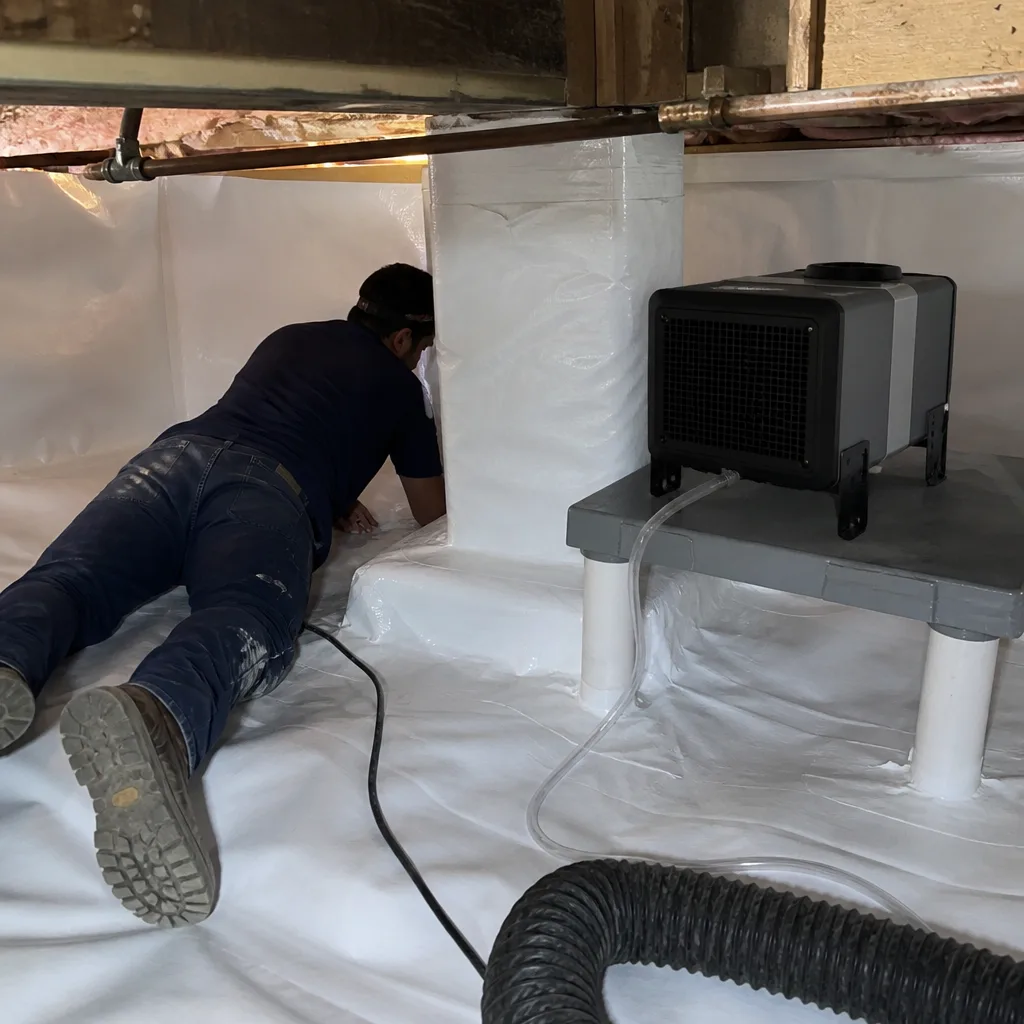
Encapsulate, full stop. Re-insulating the floor joists in a vented crawl along Stallings Road repeats the original mistake. Humid summer air moving through that vented crawl will condense on the cooler floor deck and ductwork, soak the new batts, and collapse them the same way the old ones failed. The correct approach for Matthews’s mixed-humid climate is sealing the crawl space: close the vents, run a vapor barrier up the walls, condition the space, and insulate the crawl walls rather than the floor above. Isolating the crawl from outside air is what actually stops the moisture. Call us and we’ll walk you through what encapsulation costs for your specific crawl footprint.
The most common failure is air bypass at the attic floor, not the insulation itself. We open attics in those Weddington Road subdivisions and find unsealed top plates, gaps around bathroom fan boxes, unsealed wire penetrations, and recessed lights that leak conditioned air straight into the attic. In Matthews’s muggy summers, that bypass carries moisture up into the insulation, which settles and loses R-value while the AC works harder. Insulation without air sealing is a blanket with holes in it. We air-seal first, then insulate.
Pull down the attic ladder and look at the insulation surface. If it’s dry, uniform, and you can see the top of the joists but not the bottom, you probably need a top-up. If it’s matted, smells musty, shows rodent droppings, has dark streaks, or has been soaked by a past roof leak, it needs removal and replacement. A 2003 home in Matthews with original batts is right at the edge: the insulation is old enough to have settled, but probably young enough to salvage if it stayed dry. We’ll tell you honestly which one applies. The inspection and quote are free, and we don’t upsell a tear-out when a top-up will do.
Yes, if your soffits are blocked, which is common after re-roofing or siding work in Matthews. Baffles keep the soffit vents open so air can move from the eaves up and out the ridge or gable vents. Without them, you either block the airflow with new insulation or you leave the soffits open and let wind wash reduce your insulation’s performance. In Matthews’s humid summer climate, that airflow isn’t optional; it’s what keeps the roof deck dry and prevents moisture from driving down through the insulation. We install baffles on almost every attic top-up and replacement we do in Matthews.
Stop losing money through your attic. Call (855) 657-3403 today for a free estimate and we’ll send a trained, background-checked technician to your Matthews home, usually within 24 to 48 hours. Live person answers, every time.
Written by Neil Ashford, Owner at Warmline Insulation Co., serving Matthews and the surrounding Charlotte metro since 2011.