
Fast, Reliable Attic Insulation Across Richmond
The short version: attic insulation in Richmond, TX typically runs $1,400-$3,200 for a full replacement on a standard 1,500-2,200 sq ft home, and most crews can be on-site within a day or two. But Richmond isn’t a copy-paste insulation market. Homes here along the Brazos River carry moisture history that other Fort Bend County cities mostly don’t, and that changes what’s actually going on above your ceiling. Warmline Insulation Co. has been doing this work since 2011, and when you call (855) 657-3403, a live person picks up 24/7 and schedules a real diagnosis, not a scripted sales pitch.
Why Warmline Insulation Co. Is Richmond’s Preferred Attic Insulation Company
We’re known around Richmond for two things: showing up on time and getting the moisture question right the first time. The neighborhoods off Crabb River Road, the subdivisions along FM 359, and the older streets near historic downtown all have different insulation profiles. A 1980s brick-veneer home in the Rolling Creek area handles heat differently than a 2015 slab-on-grade build in Aliana. Our crews work both, and they know what to look for before we ever open an attic hatch.
Our technicians are background-checked and uniformed, and every job is backed by the 90-Day Done Right Promise. If something isn’t right, we make it right, no fine print. Richmond homeowners keep our number because we don’t treat insulation as a one-size product job. We read the house first. That’s the difference between a crew that blows fiberglass and a company that fixes why your AC runs non-stop in July.
Our Attic Insulation Services in Richmond
We handle every layer of the attic assembly under one roof. Here’s what that looks like in Richmond specifically:
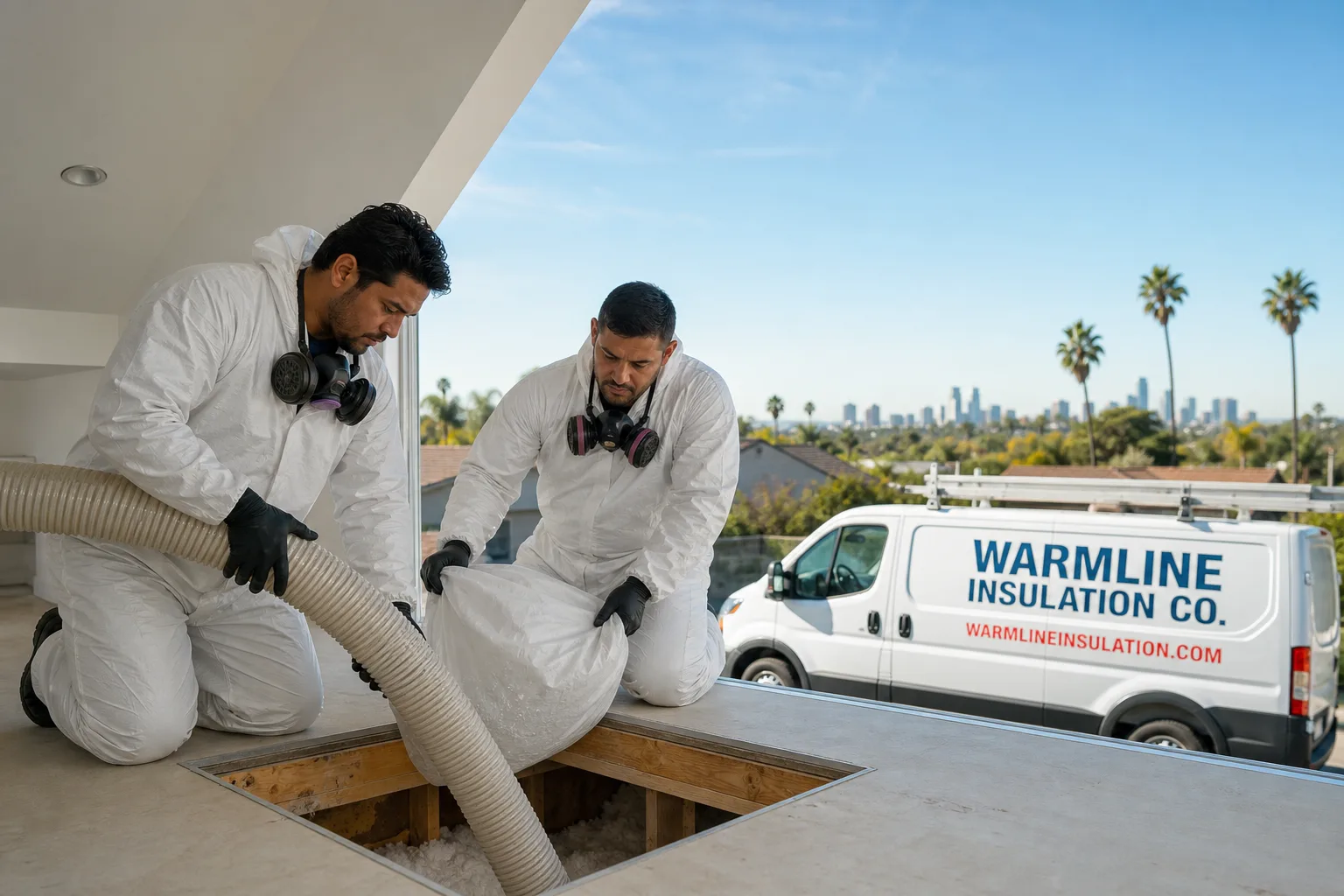
Blown-In Attic Insulation
Blown-in fiberglass or cellulose is the dominant insulation type across Richmond’s 2000s-2020s housing stock, and for good reason: it fills irregular attic cavities fast and hits target R-values without ripping up decking. We run GreenFiber and Johns Manville products because they settle less over time. In a Richmond attic that hits 140°F, fill consistency matters more than people think. Uneven coverage means hot spots directly over your ceiling drywall.
Attic Batt Insulation
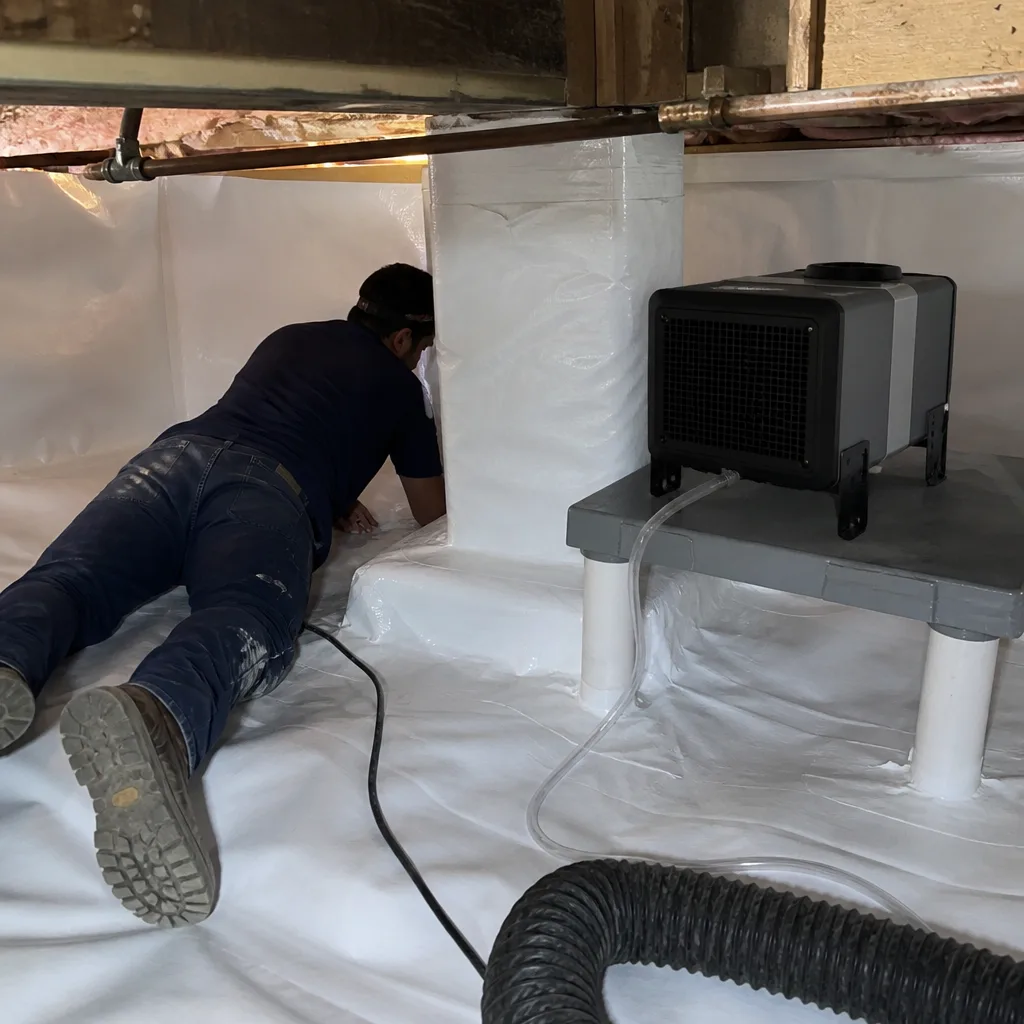
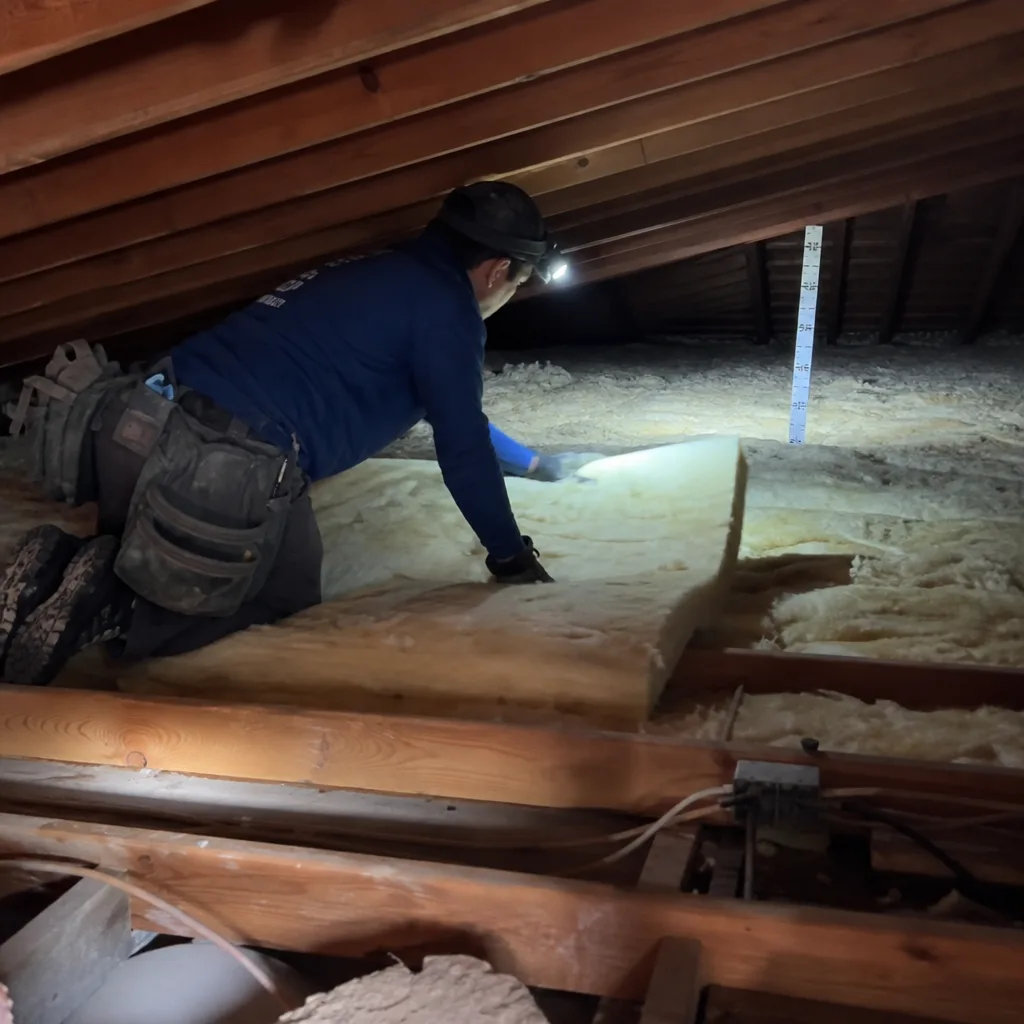
Batt insulation still has a role, particularly along cathedral ceilings, knee walls, and garage-with-bedroom-above configurations common in Richmond’s newer developments. Owens Corning and Knauf batts are our standard. The challenge in Richmond isn’t the product; it’s the install. Slightly compressed batts lose effective R-value fast, and in tight attic trusses, that happens constantly. Our crews take the time to fit batts flush against framing, not wedge them in.
Attic Insulation Top-Up
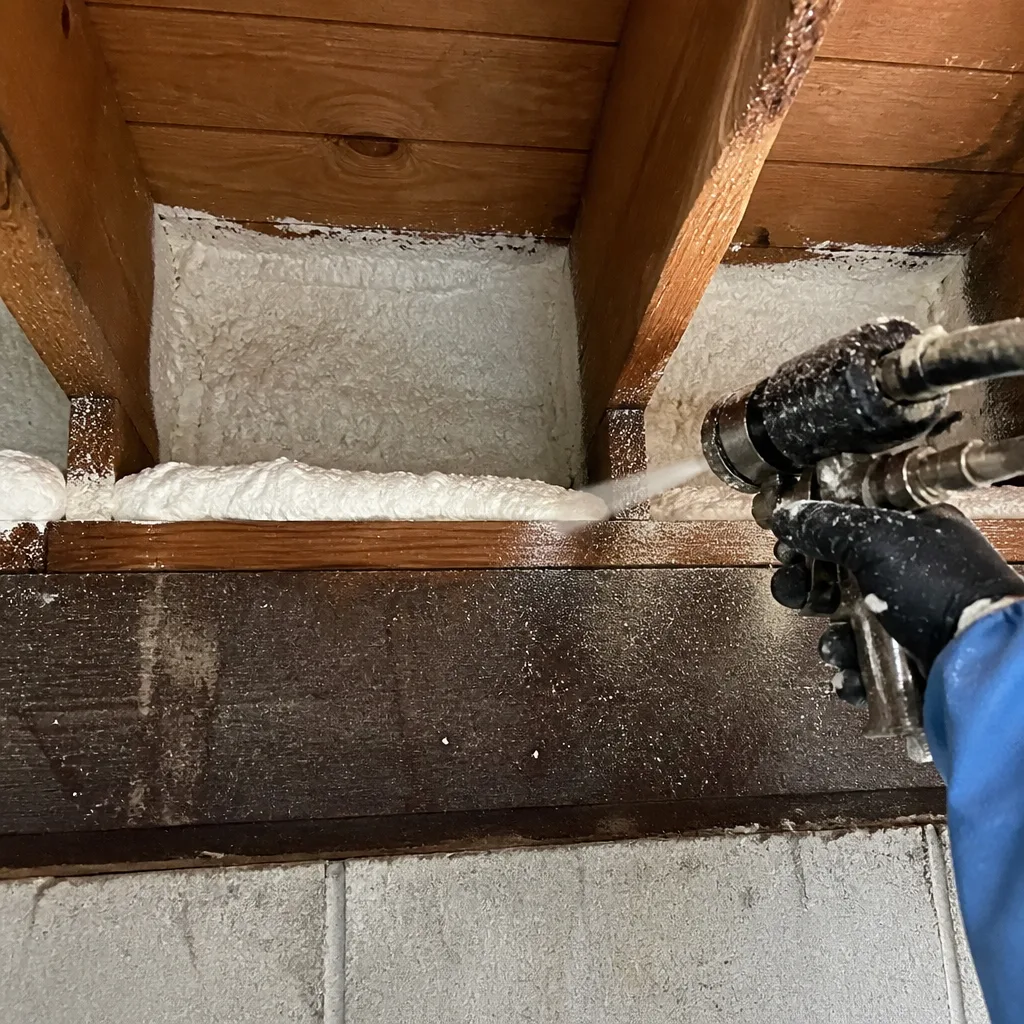
A top-up means adding a new layer of blown insulation over what’s already there. It’s the most common job we do in Richmond homes built between 2000 and 2015. Most of those attics got code-minimum R-30 blown fiberglass, which has since settled and degraded. Adding R-19 or R-30 on top typically cuts cooling costs 15-20% in a Fort Bend summer. We always check for air sealing opportunities first. Blowing more insulation over unsealed top plates and recessed lights doesn’t fix the problem; it buries it.
Attic Insulation Replacement
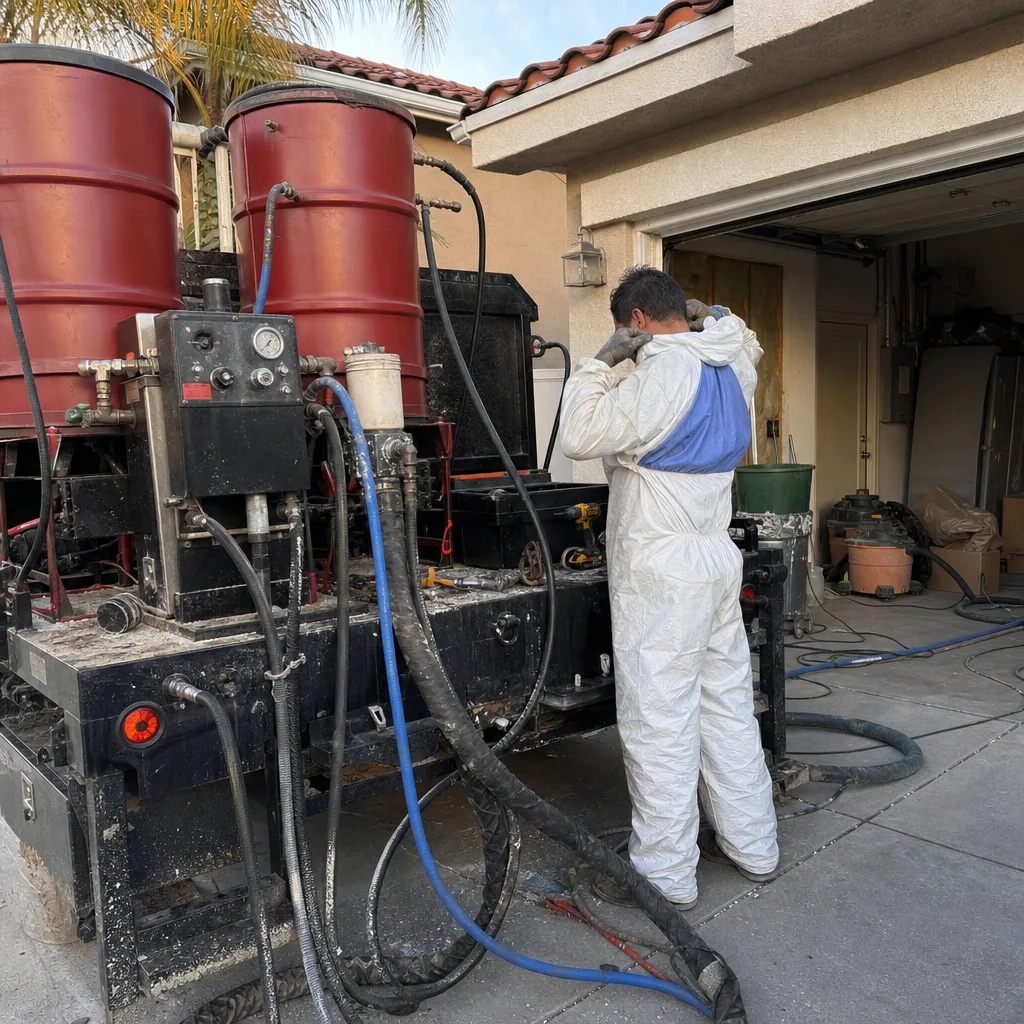
This is the service that separates Richmond from Sugar Land or Katy. Hundreds of Brazos River-adjacent homes had insulation swapped out quickly after Harvey, often before framing fully dried. What looks fine from the attic hatch can hide moisture-damaged batts underneath. We remove the compromised material, inspect the framing, air seal, and then install new insulation. It’s slower than a top-up, but in places like Pecan Grove and the neighborhoods off Plantation Drive, doing half the job means the mold smell comes back within a year.
Attic Baffles & Ventilation Prep
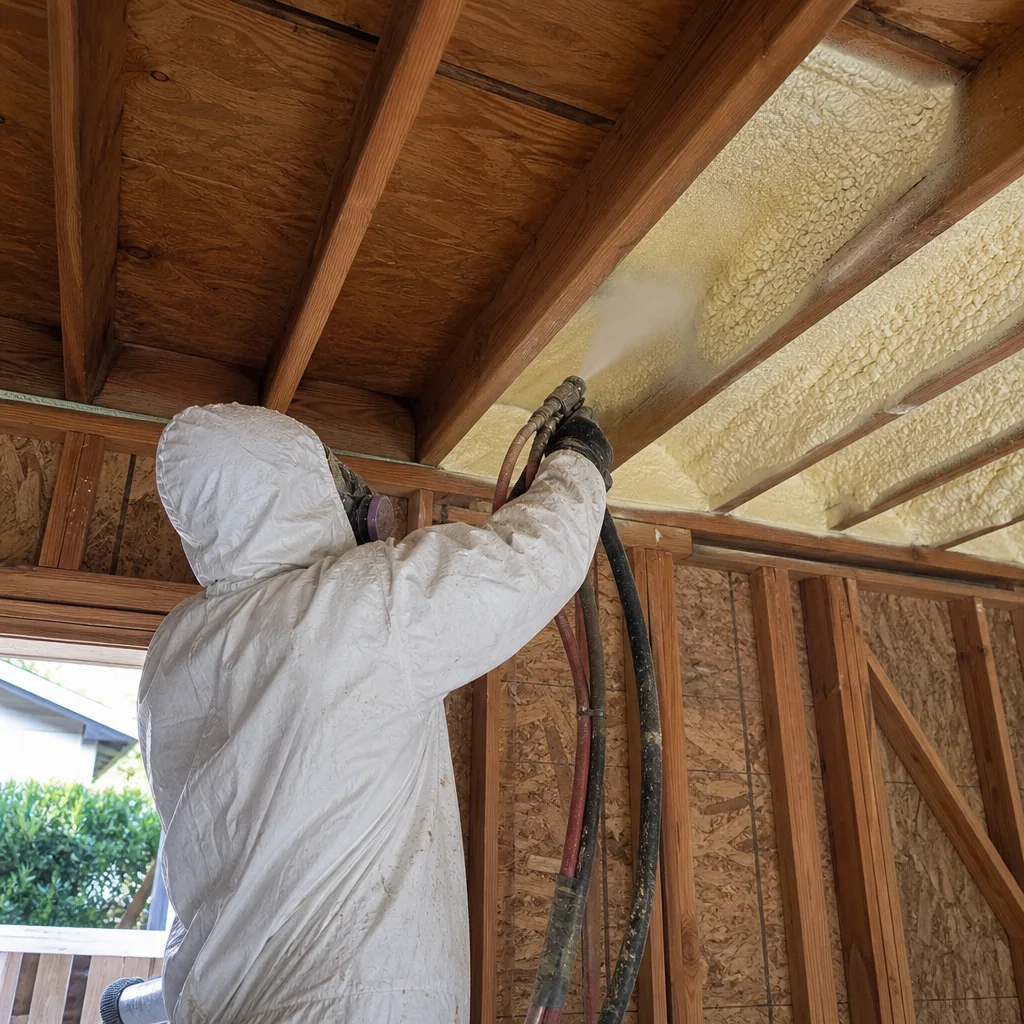
Richmond’s tighter lots and alley-load garages create attic venting challenges you don’t see in wide-open suburban tracts further west. Low roof deck clearances collapse cheap baffles, choking soffit airflow and turning the attic into a hot, moisture-trapping chamber. Before any new insulation goes in, we inspect and replace baffles as needed, and we prep the ventilation path so the attic can actually breathe.
What happens when you call
- 1
A real person answersNo phone trees - you reach a local pro.
- 2
You get an upfront price rangeHonest numbers before anyone is dispatched.
- 3
A background-checked tech heads outLicensed & insured, dispatched right away.
- 4
You approve before work beginsNothing starts until you say go.
Trusted Brands We Service in Richmond
We stock and install material from GreenFiber, Owens Corning, and Johns Manville. These are the benchmark brands in the insulation industry, and we’d rather stand behind product we trust than chase whatever’s cheapest at the supply yard this month. For Richmond customers, that means the material we quote is the material we install, no bait-and-switch. Most jobs are completed in a single visit.
Common Attic Insulation Problems We See in Richmond Homes
- Post-Harvey moisture trapped behind batts. Quick gut-and-reinstall work after the 2017 flood left the bottom 18-24 inches of wall cavities damp in many river-adjacent homes. That trapped moisture promotes mold growth for years, even when the visible attic looks dry. We find this constantly in Pecan Grove.
- Unsealed top plates and recessed lights pulling humid air. In Richmond’s Climate Zone 2A, summer dewpoints routinely exceed 72°F. Unsealed attic floor penetrations pull that humid air directly into your conditioned space, raising indoor humidity and loading the AC system. Blown insulation alone doesn’t stop it.
- Collapsed baffles from tight roof clearances. Narrow side yards and steep rooflines on Richmond’s newer slab-foundation homes leave little room for proper venting. Cheap baffles collapse, soffit airflow stops, and the attic becomes a heat trap. This also shortens shingle life.
- Settled, degraded R-30 that fails before its time. Attic temperatures at 145°F accelerate fiberglass settling. A home insulated in 2012 may be running at the equivalent of R-19 today. A top-up restores the assembly and pays for itself in lower June-through-September bills.
Pricing for Attic Insulation in Richmond, TX
Here’s what Richmond homeowners can expect to pay, based on current Fort Bend County market rates:
- Blown-in attic top-up (R-19 to R-30 added): $900-$1,800 depending on attic size and access
- Full blown-in replacement (1,500-2,200 sq ft): $1,400-$3,200
- Batt insulation replacement (cathedral ceiling or knee wall): $1,100-$2,800
- Attic air sealing (top plates, penetrations, hatch): $700-$1,500 typically added to any insulation job
- Baffle replacement and ventilation prep: $300-$900 depending on linear feet
These ranges reflect Richmond’s labor market and typical access conditions. Tight attic clearances or moisture remediation add time and cost, but we quote upfront pricing so there are no surprises when the bill comes. Call (855) 657-3403 for a free estimate, and ask about our standing offers: $50 off any repair over $250, the $89 seasonal tune-up, and a permanent 5% senior and veteran discount.
We Also Serve Cities Near Richmond
Our crews cover Richmond and the surrounding Fort Bend and west Harris County areas, including Sugar Land, Katy, Missouri City, and Houston. If you’re just outside Richmond, call us and we’ll confirm same-week availability. For more detail on what we handle, see our Attic Insulation services overview and our dedicated Attic Insulation in Richmond page.
Serving Richmond, TX - Our Local Coverage Area
We’re based in the Richmond area and know this community well. Use the map below to see our service coverage - if you’re nearby, we can almost certainly help.
FAQs - Attic Insulation in Richmond
The most reliable way is to pull back the insulation at the exterior wall line and check the bottom 18-24 inches of the wall batts with a moisture meter. If those batts feel cool, dense, or carry any musty smell, the framing likely never fully dried after the 2017 flood. From the attic hatch alone, everything often looks fine because the damage hides behind the top plate, not above it. We offer moisture diagnostic checks as part of every Richmond attic assessment. Call (855) 657-3403 to schedule one.
Almost always, yes. In Richmond’s climate, attic air sealing matters as much as the insulation itself. Unsealed recessed lights, top plates, and attic hatches pull 72°F-plus dewpoint air into your home every time the AC runs and the stack effect kicks in. Blowing new insulation over those leaks doesn’t stop humid air migration. Our standard recommendation for Richmond homes is air sealing first, then insulation. It costs more than a bare-bones blow-over, but it’s the only way to actually control humidity and cooling costs.
Yes. We work in tight attic clearances across Richmond’s newer subdivisions where roof decks sit low and access hatches are in garage ceilings surrounded by storage. Our crews use drop cloths, hose routing that avoids drywall contact, and we move or cover stored items as needed. Tight access slows the job down slightly, but we protect finished surfaces and clean up before we leave. Most jobs are completed in a single visit, even in constrained attics.
Because the moisture is in the bottom of the wall cavities, not in the attic floor. In Brazos River-adjacent neighborhoods where post-Harvey rebuilds were done quickly, the visible blown-in layer often looks perfectly fine. The saturated batts are below the top plate, hidden behind the attic knee wall or inside exterior wall cavities. That’s why a visual check from the hatch tells you almost nothing. The smell comes through wall outlets and baseboards, not the attic access. Moisture metering along the bottom plate is the only way to confirm it.
Blown-in fiberglass and cellulose both perform well at high attic temperatures, but fiberglass holds shape and R-value longer under repeated thermal cycling. We typically recommend Johns Manville or GreenFiber blown fiberglass for Richmond’s vented attics because it resists settling at sustained 140°F-plus temperatures better than cellulose in our experience. If you’re also addressing moisture concerns, Rockwool batts offer the added benefit of being hydrophobic, meaning they don’t absorb or hold water the way fiberglass or cellulose can. The right choice depends on your specific attic, and that’s exactly what we diagnose on-site.
Call Warmline Insulation Co. for Attic Insulation in Richmond
If your Richmond home is fighting a hot upstairs, high summer bills, or a musty smell you can’t place, the fix probably starts in the attic. We’ll diagnose the real problem, quote you upfront pricing, and complete most jobs in a single visit. Our 90-Day Done Right Promise means if the work isn’t right, we make it right, no argument. Call (855) 657-3403 now. A live person answers, 24/7, and estimates are always free.
Written by Neil Ashford, Owner at Warmline Insulation Co., serving Richmond, TX and surrounding Fort Bend County communities since 2011.