
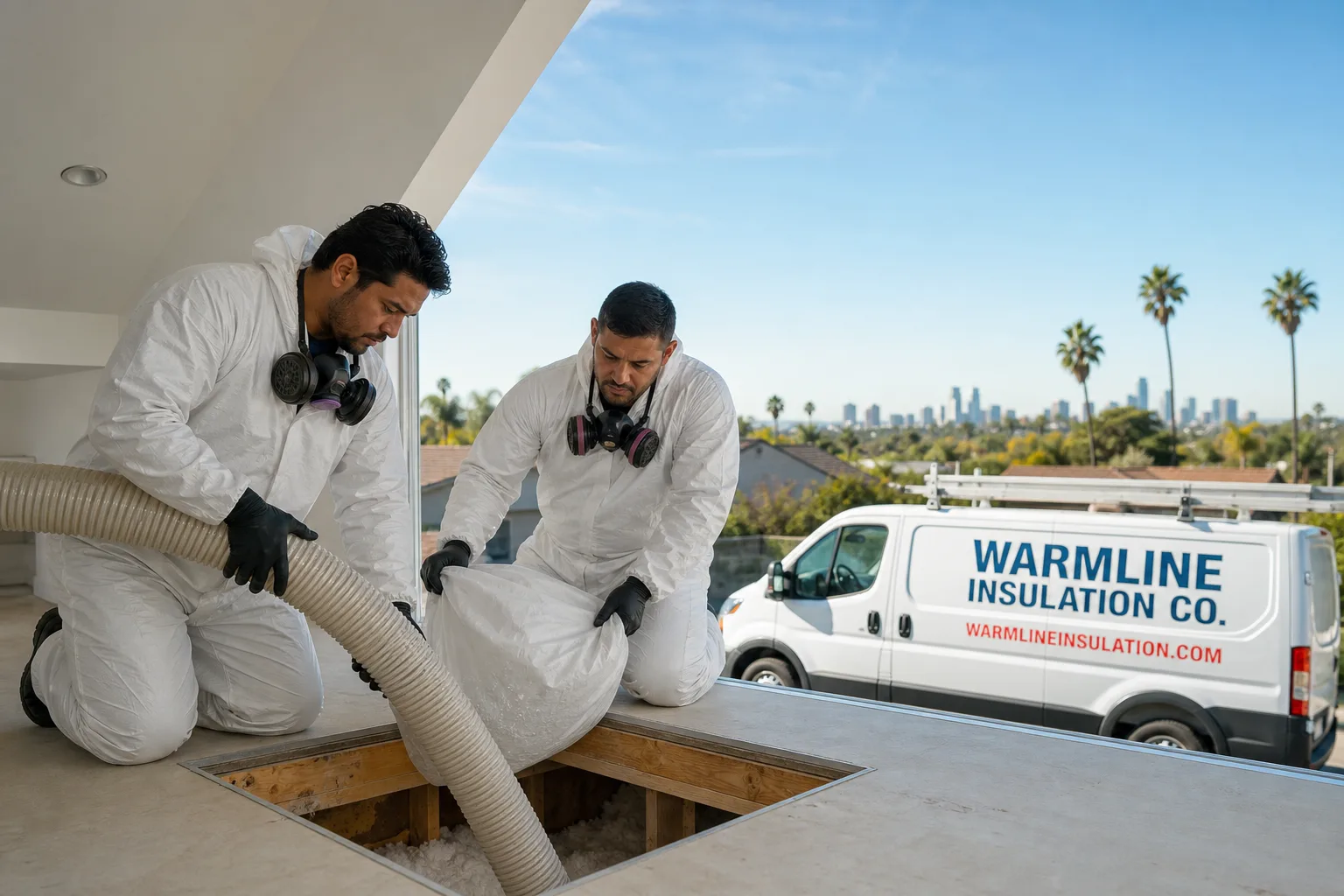
Fast, Reliable Attic Insulation Across Grand Prairie
Attic insulation in Grand Prairie typically runs $1,450-$2,900 for a standard single-story ranch home, and most jobs are completed the same day we start. That number rises or falls based on square footage, how much old material has to come out first, and whether air sealing is part of the work. We’ve been pulling attic hatches in Grand Prairie since 2011, and the pattern east of Highway 360 is so consistent we can usually quote a retrofit before the ladder goes up. Call (855) 657-3403 and a live person answers, day or night.
Why Warmline Insulation Co. Is Grand Prairie’s Preferred Attic Insulation Company
Grand Prairie homeowners keep calling us for one reason: we treat attic insulation as building science, not a side job. Our technicians are background-checked and uniformed, and when they show up in east-side neighborhoods like Dalworth or Forum, they already know what to expect before opening the hatch. Neil Ashford built this company in 2011 around a simple idea: diagnose the attic properly, fix the air barrier, then insulate. That sequence matters in Grand Prairie, where the housing stock has very specific, very predictable failure patterns.
Every job we do in Grand Prairie carries the 90-Day Done Right Promise. If the work isn’t right, we make it right. That’s a written commitment, not a handshake. We answer the phone with a real person around the clock, so when you call at 7 a.m. on a Saturday because your bedroom hit 85 degrees last night, you’ll talk to someone who can schedule a diagnostic visit, not a voicemail.
Our Attic Insulation Services in Grand Prairie
We provide full-spectrum Attic Insulation services across Grand Prairie, from complete replacement on 1960s ranches to targeted top-ups on newer west-side homes. Most jobs are completed in a single visit.
Blown-In Attic Insulation
This is the workhorse retrofit for Grand Prairie’s east-side ranch stock. We blow loose-fill fiberglass or cellulose to R-38-R-60, depending on the attic’s configuration and how the home is used. On a typical 1,600-square-foot 1963 ranch east of Highway 360, we’re often pulling out 2-3 inches of compressed original fiberglass and replacing it with a full-depth blown-in system the same afternoon. The difference in upstairs bedroom temperature is immediate in July.
Attic Batt Insulation
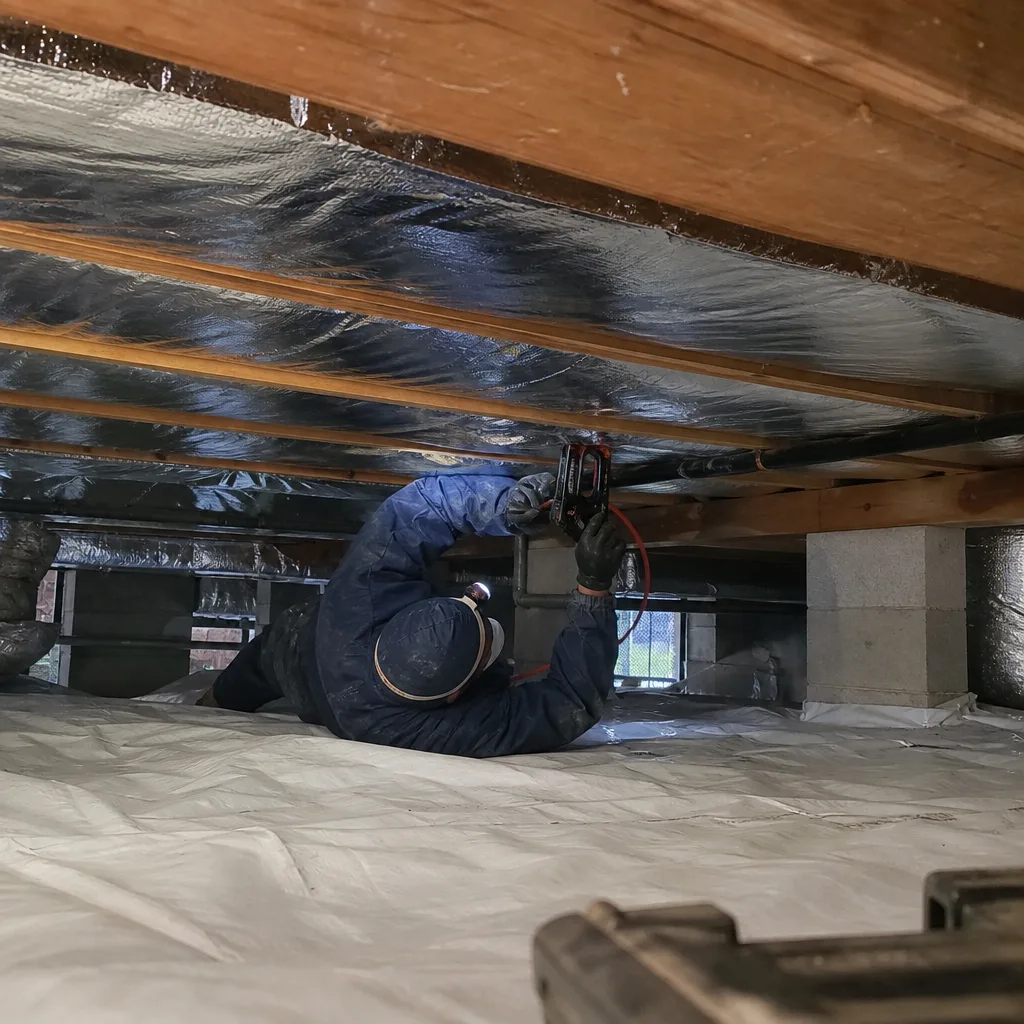
Batt insulation still has a place in Grand Prairie, particularly in attic knee walls, cathedral ceiling sections, and older additions where loose-fill would slide or settle unevenly. We use Owens Corning and Johns Manville fiberglass batts for predictable, code-compliant R-values. In the 1950s-1970s tract homes around Grand Prairie, batts are also the right call when we’re insulating around recessed fixtures or building a thermal boundary on a remodeled attic conversion.
Attic Insulation Top-Up
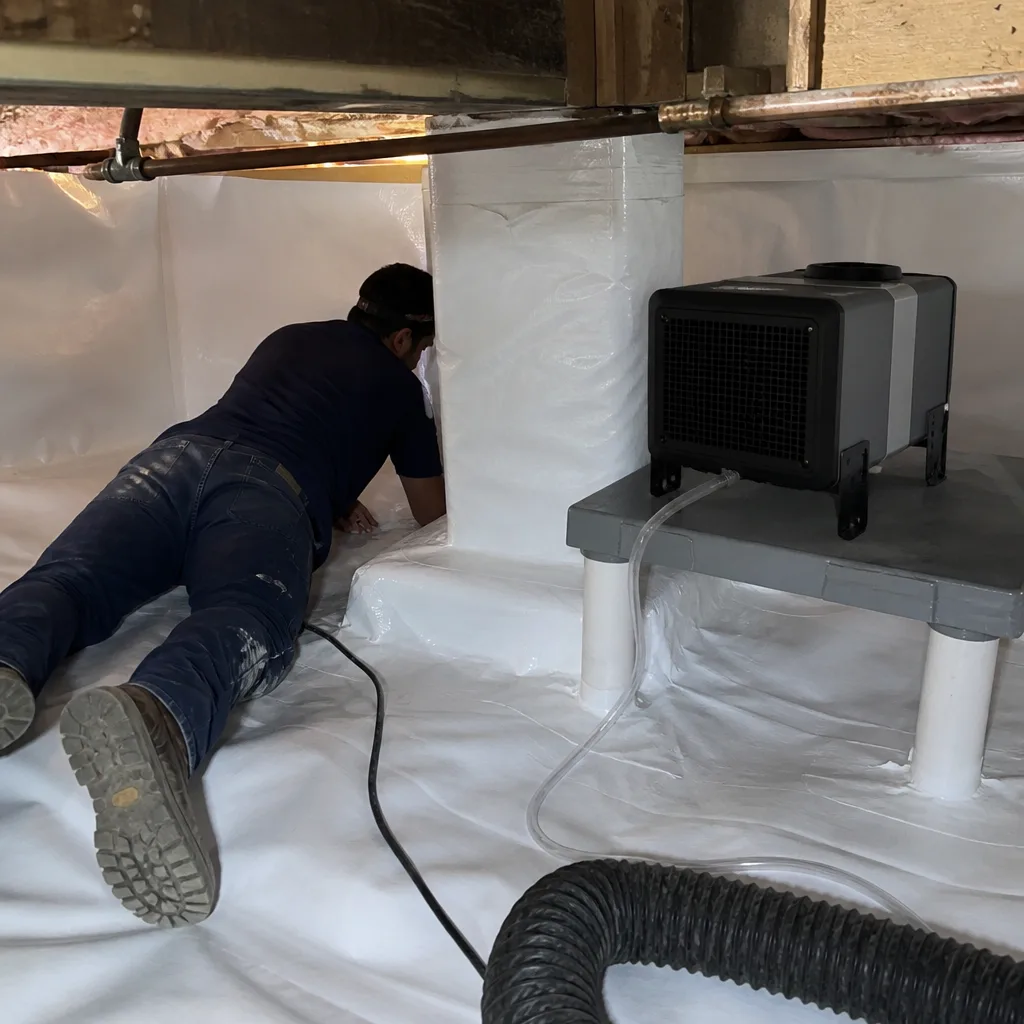
If your existing insulation is intact but underperforming, a top-up is the fastest, most economical fix in Grand Prairie. Homes along the SH-161 corridor built in the 1990s and 2000s often have R-19 or R-30 batts that are technically present but inadequate for North Texas heat. We blow in additional fiberglass or cellulose right over the top, bringing the assembly to R-49 or better. This is a half-day job for most homes, and it’s the single highest-ROI upgrade we see in the mid-Cities.
Attic Insulation Replacement
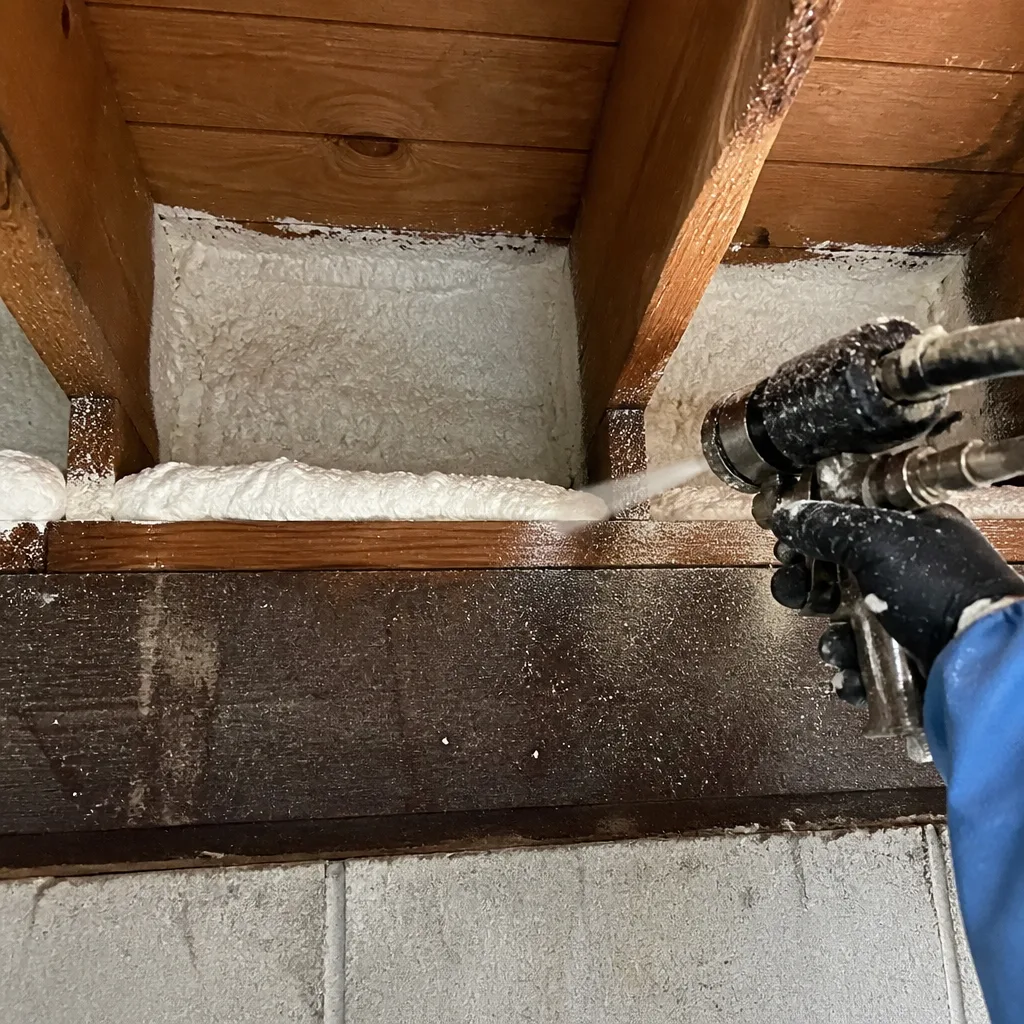
Sometimes the best move is to start clean. When insulation has been water-damaged, contaminated by rodent activity, or compressed into dense, useless mats, we remove it completely and blow in new material. Grand Prairie’s older housing stock sees a lot of this because roof leaks and pest intrusion have had 50 to 70 years to do their damage. Replacement also gives us a chance to address air sealing and baffles at the same time rather than layering new material over problems.
Attic Baffles & Ventilation Prep
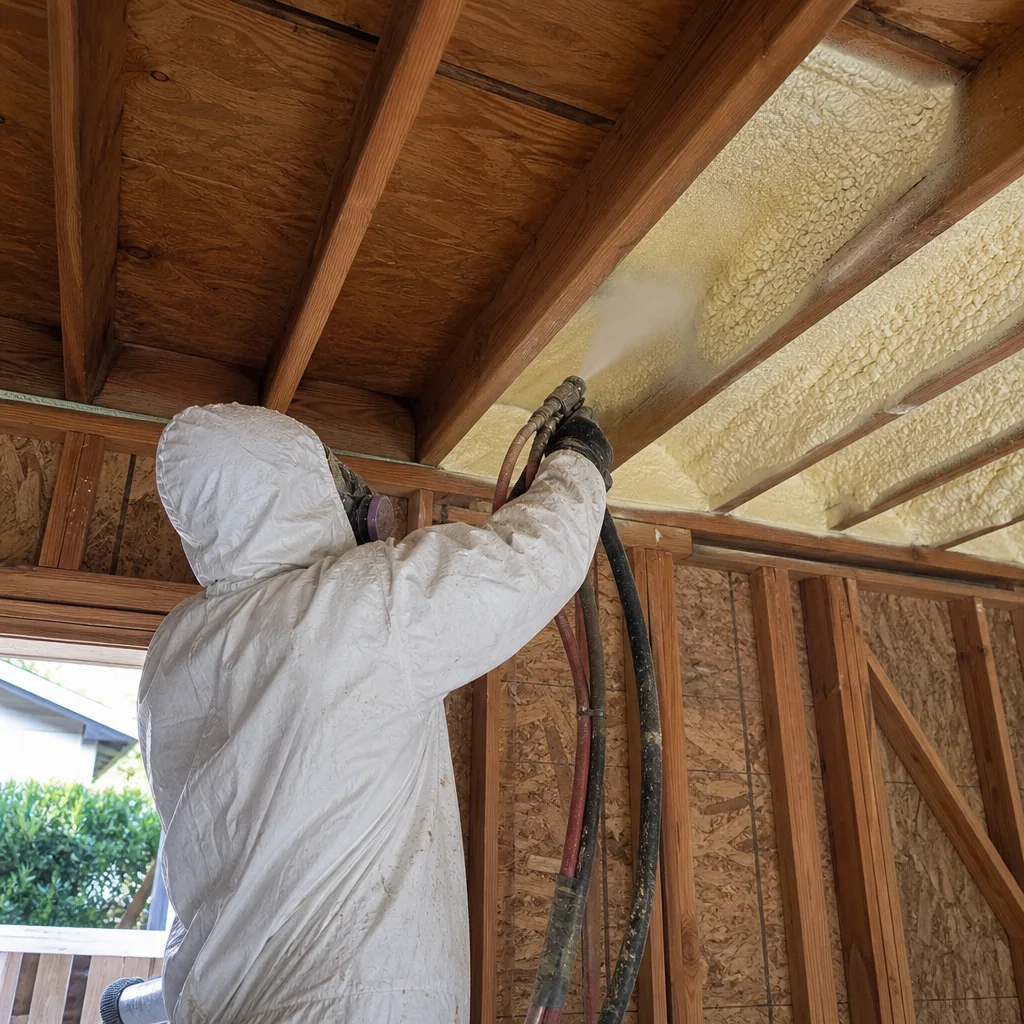
Baffles are the unglamorous pieces of plastic or foam that keep blown-in insulation from clogging your soffit vents, and in Grand Prairie’s east-side tracts they’re frequently missing or crushed flat. That blocks airflow, traps moisture, and cooks the roof decking from underneath. Before we blow in any new insulation, we inspect and install baffles at every soffit bay. The ventilation prep step is what separates a 10-year system from a 25-year one.
What happens when you call
- 1
A real person answersNo phone trees - you reach a local pro.
- 2
You get an upfront price rangeHonest numbers before anyone is dispatched.
- 3
A background-checked tech heads outLicensed & insured, dispatched right away.
- 4
You approve before work beginsNothing starts until you say go.
Trusted Brands We Service in Grand Prairie
We install and warrant insulation from manufacturers with decades of field data behind them. In Grand Prairie attics, that most often means GreenFiber cellulose for blown-in applications, Owens Corning fiberglass for batts and blow-in, and Johns Manville where homeowners want a formaldehyde-free option. We stock these materials in quantities matched to Grand Prairie’s housing patterns, so scheduling a top-up or replacement doesn’t stall waiting on product. If you’re unsure what’s already in your attic, we’ll tell you during the estimate and recommend the best material for your home’s specific roof pitch and ventilation setup.
Common Attic Insulation Problems We See in Grand Prairie Homes
- Settled blown-in fiberglass in 1960s east-side ranches. Original installs from the LTV Aerospace housing boom were often minimal from day one. Sixty years later, we routinely find 2-3 inches of compressed fiberglass doing the work of R-7. Your attic is effectively uninsulated by modern standards.
- Blocked soffit vents and missing baffles.> Tract builders in the 1950s-1970s didn’t always bother with baffles, or they installed flimsy ones that failed. Without airflow from soffit to ridge, Grand Prairie’s 150°F attic air stagnates, moisture builds, and mold takes root.
- Air sealing gaps exposed by Winter Storm Uri. That February 2021 freeze didn’t just burst pipes across Grand Prairie; it revealed how much heated air was escaping through unsealed attic penetrations. Many east-side homes lost warmth through plumbing chases, can light housings, and unsealed hatch frames. Insulation without air sealing is like wearing a heavy coat with the buttons open.
- Duct leakage in unconditioned attics. West-side homes from the 1990s and 2000s often have decent insulation but leaky ductwork in hot attics. The ducts get their own separate fix, but we flag it during every attic insulation estimate because fixing one without the other wastes the homeowner’s money.
Pricing for Attic Insulation in Grand Prairie, TX
Here’s what we actually see in Grand Prairie, based on local labor rates and the city’s dominant housing types. A blown-in top-up on a 1,300-1,700-square-foot ranch east of Highway 360 runs $850-$1,500. Full removal of old insulation plus new blown-in to R-49 runs $1,800-$2,900 on the same footprint. Attic batt insulation for knee walls or small attic sections starts around $700-$1,400. Baffle installation and ventilation prep adds $400-$900, depending on soffit count and accessibility. Homes along the SH-161 corridor with larger footprints (2,200-3,200 square feet) usually land between $2,200 and $4,500 for complete replacement. Every quote is upfront and written, and we honor these numbers through the 90-Day Done Right Promise. Call (855) 657-3403 for a free estimate and exact pricing for your attic.
We Also Serve Cities Near Grand Prairie
Our crews work across the mid-Cities corridor, so if you’re searching for Attic Insulation in Grand Prairie but live just over the line, we likely cover you too. We regularly serve homeowners in Bedford, Dallas, Grapevine, and Arlington. Response times to those communities are comparable to what Grand Prairie customers get. Call and we’ll give you a straight answer on scheduling.
Serving Grand Prairie, TX - Our Local Coverage Area
We’re based in the Grand Prairie area and know this community well. Use the map below to see our service coverage - if you’re nearby, we can almost certainly help.
FAQs - Attic Insulation in Grand Prairie
The original blown-in fiberglass in Grand Prairie’s 1950s-1970s east-side housing stock has often compressed to 2-3 inches, which is under R-10 of effective coverage. We find this in the majority of homes we inspect east of Highway 360, not the exception. If your home was built before 1980 and hasn’t had insulation added since, you’re likely running an R-value below what code requires and paying for it in summer cooling bills. Call (855) 657-3403 for an attic hatch inspection, and we’ll tell you exactly what you have before recommending anything.
Yes, and the reasons differ from the east side. Homes built along the SH-161 corridor in the 1990s and 2000s typically have better thermal insulation than mid-century ranches, but many were built with R-19 or R-30, which is still below the R-38-R-60 recommended for Grand Prairie’s climate. The bigger issue is often duct leakage in unconditioned attics. We perform attic assessments that identify both insulation gaps and duct problems so the fix addresses the whole system rather than one layer of it.
Grand Prairie’s inland North Texas location means unconditioned attics routinely reach 150-160°F in July and August. That radiant heat doesn’t stay in the attic. It pushes through whatever insulation exists into living spaces, forcing cooling systems to work much harder than they should. The right insulation depth combined with proper ventilation can cut peak attic temperatures dramatically, which translates directly to lower energy bills and longer HVAC equipment life.
The primary cause is blocked or missing baffles. The original soffit vents on many Grand Prairie ranch homes were never properly protected, so insulation has shifted and sealed them off. Warm, moist air from the living space then rises into the attic and can’t escape. The result is condensation on the sheathing, which becomes mold and eventually decking rot. We address this during every insulation job by inspecting soffit bays, installing baffles, and restoring proper ventilation before new insulation goes in.
Definitely. The February 2021 freeze exposed how many Grand Prairie homes, especially the east-side mid-century ranches, were losing heated air through unsealed attic penetrations and under-insulated ceilings. Some homeowners saw ice dams along their eaves for the first time, caused by warm attic air melting snow that then refroze at the overhang. Since Uri, we’ve seen a steady stream of Grand Prairie customers asking specifically for air sealing along with insulation, which is the correct order of operations. If your home felt like it couldn’t hold heat during that storm, your attic is a good place to start looking.
Call Warmline Insulation Co. for Attic Insulation in Grand Prairie
You don’t need to live with a 150-degree attic baking your house all summer or lose heat through your ceilings every winter. The problem is usually simple to diagnose, and in Grand Prairie the housing stock is predictable enough that we can give you a clear answer and a firm price faster than most companies schedule the first visit. Call (855) 657-3403 now for a free estimate. A live person answers 24/7, and we’ll get your attic assessed and the work done right, backed by the 90-Day Done Right Promise. If you’re a senior or veteran, ask about the permanent 5% discount when you call.
Written by Neil Ashford, Owner at Warmline Insulation Co., serving Grand Prairie homeowners since 2011.