
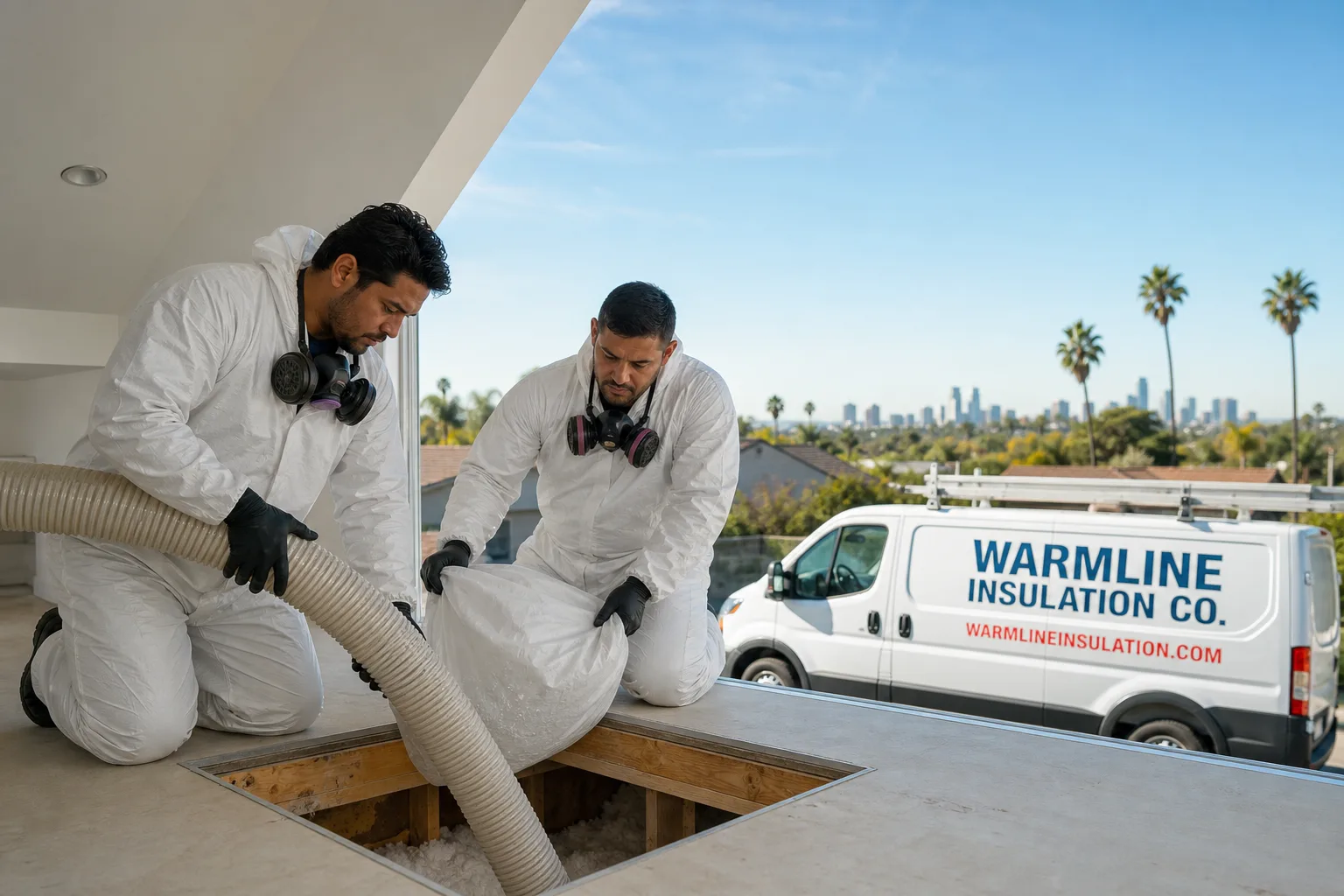
Fast, Reliable Attic Insulation Across Long Beach
Attic insulation in Long Beach, NY typically costs $1,800-$4,600 for a full replacement on a standard 1,200-1,800 sq ft home, with blown-in top-ups running $900-$1,700 and closed-cell spray foam on elevated rafter bays starting around $3,200. Most jobs are completed in a single visit, often within 5-7 business days of your estimate. If your heating bills spike every winter and your second floor never holds temperature, call (855) 657-3403 and a live person answers 24/7, not a voicemail.
We’ve worked on hundreds of Long Beach attics since 2011, from pre-Sandy bungalows off W. Park Avenue to post-elevation lifts near the boardwalk. Our crews know exactly what salt air, nor’easter winds, and open pile foundations do to insulation here, because we see it every week in the West End, the Walks, and the Presidente streets. That local knowledge changes how we spec the job before we ever cut a hole in your ceiling.
Key Takeaways:
- Most Long Beach attic replacements land between $1,800 and $4,600 depending on square footage and whether old insulation needs removal.
- Elevated post-Sandy homes almost always need closed-cell spray foam at the band joists and soffit lines, not just blown-in fiberglass.
- Our 90-Day Done Right Promise means if the work isn’t right, we make it right, in writing.
- Call (855) 657-3403 for a free estimate. A live person answers. Always.
Why Warmline Insulation Co. Is Long Beach’s Preferred Attic Insulation Company
As Attic Insulation specialists, we’ve spent over a decade diagnosing the specific failure modes that Long Beach attics develop. This isn’t a generic insulation job market. Barrier island housing stock ages differently than inland Nassau County homes, and the contractors who treat Long Beach like any other zip code end up redoing work within three years. We don’t.
Homeowners across the West End, East End, and the Canals call us because our technicians show up in uniform, background-checked, and carrying material from manufacturers like Owens Corning, Johns Manville, and Knauf. Our 90-Day Done Right Promise backs every job, which means if something isn’t right, we come back and fix it without a fight. Our customers in Long Beach also deal directly with a live person on every call, 24/7. No answering service runaround, no voicemail roulette.
Most jobs are completed in a single visit. That matters here because Long Beach homeowners often can’t afford to have an attic torn open for a week with ocean wind howling through open eaves. We quote upfront pricing, confirm the scope, and finish the work clean.
Our Attic Insulation Services in Long Beach
Blown-In Attic Insulation
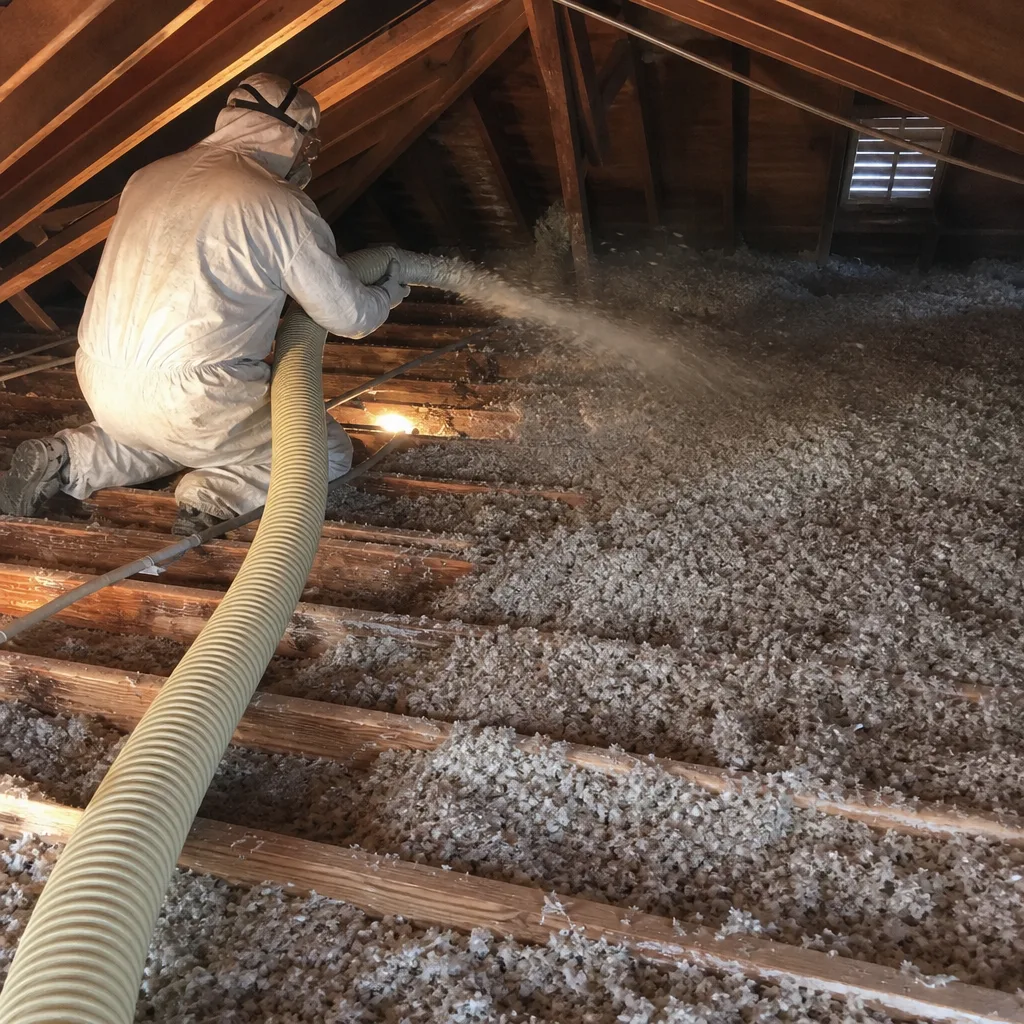
Blown-in fiberglass and cellulose remain the workhorses for Long Beach attics with standard pitched roofs and adequate gable or ridge ventilation. A typical blown-in job in Long Beach runs $1,400-$2,800 for a full attic floor, including baffle installation at the soffit lines to keep the ridge vent pulling air. The key here is depth consistency; old pre-Sandy loose-fill settles under repeated wind-driven pressure differentials, leaving the top 18 inches of attic floor bare by February. We blow to R-49 minimum and verify coverage with a depth gauge before we leave.
Attic Batt Insulation
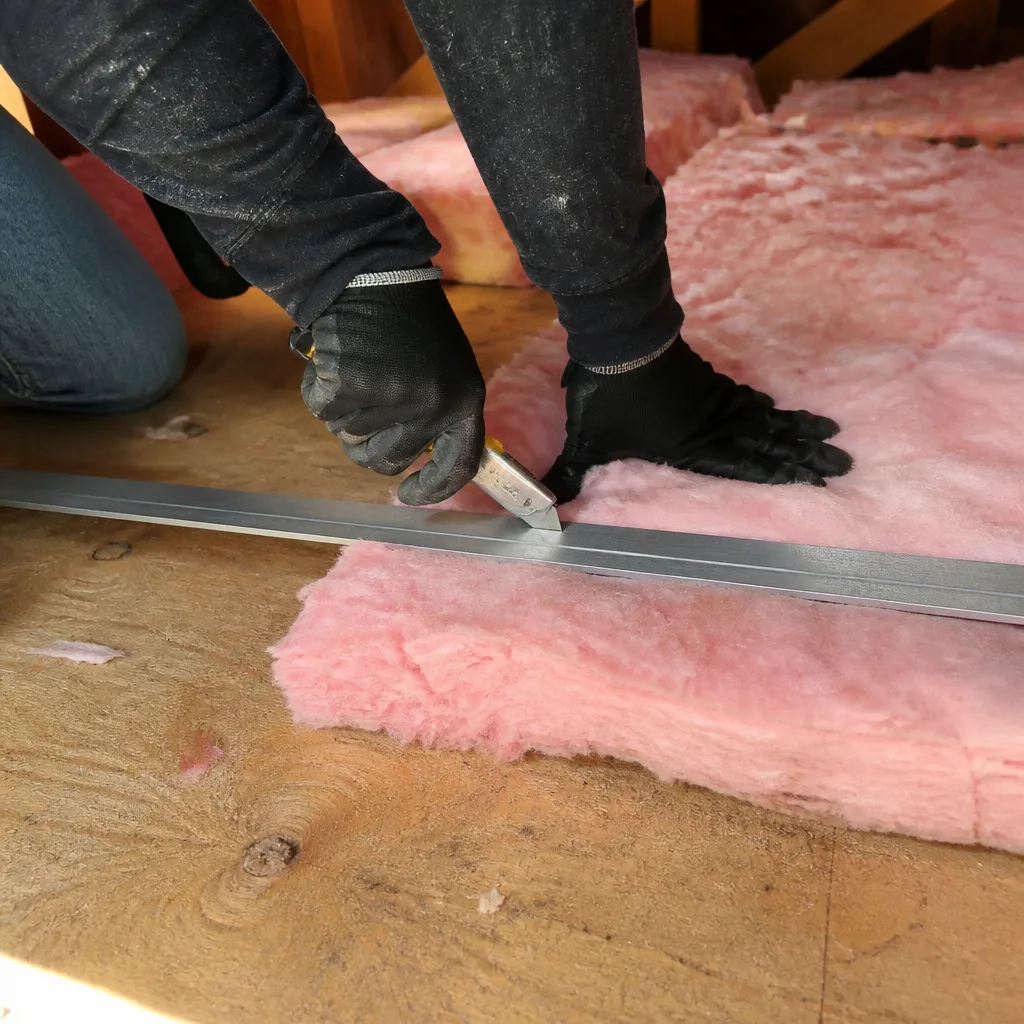
Batt insulation works well in Long Beach attics with accessible rafter bays and dry, properly vented cathedral ceilings. We install Owens Corning EcoTouch and Johns Manville R-30 and R-38 batts in knee walls, scuttle holes, and around recessed can lights. In homes near the oceanfront, though, batts alone are often a bad call, because salt-laden humidity wicks into the fiberglass and compresses the material until R-value drops below R-11 within two seasons. We’ll tell you honestly if batt is right for your specific attic, or if closed-cell foam is the smarter play on the windward side.
Attic Insulation Top-Up
If your existing insulation is dry, even, and free of mold, a top-up can bring an older Long Beach attic from R-19 up to R-49 without full removal. Expect to pay $900-$1,700 for a top-up on a typical 1,400 sq ft attic. We check for moisture intrusion and settling first; if the old material has collapsed to half its depth or shows tide lines from a past roof leak, we’ll show you photos and recommend replacement instead of piling new fiber on top of a problem.
Attic Insulation Replacement
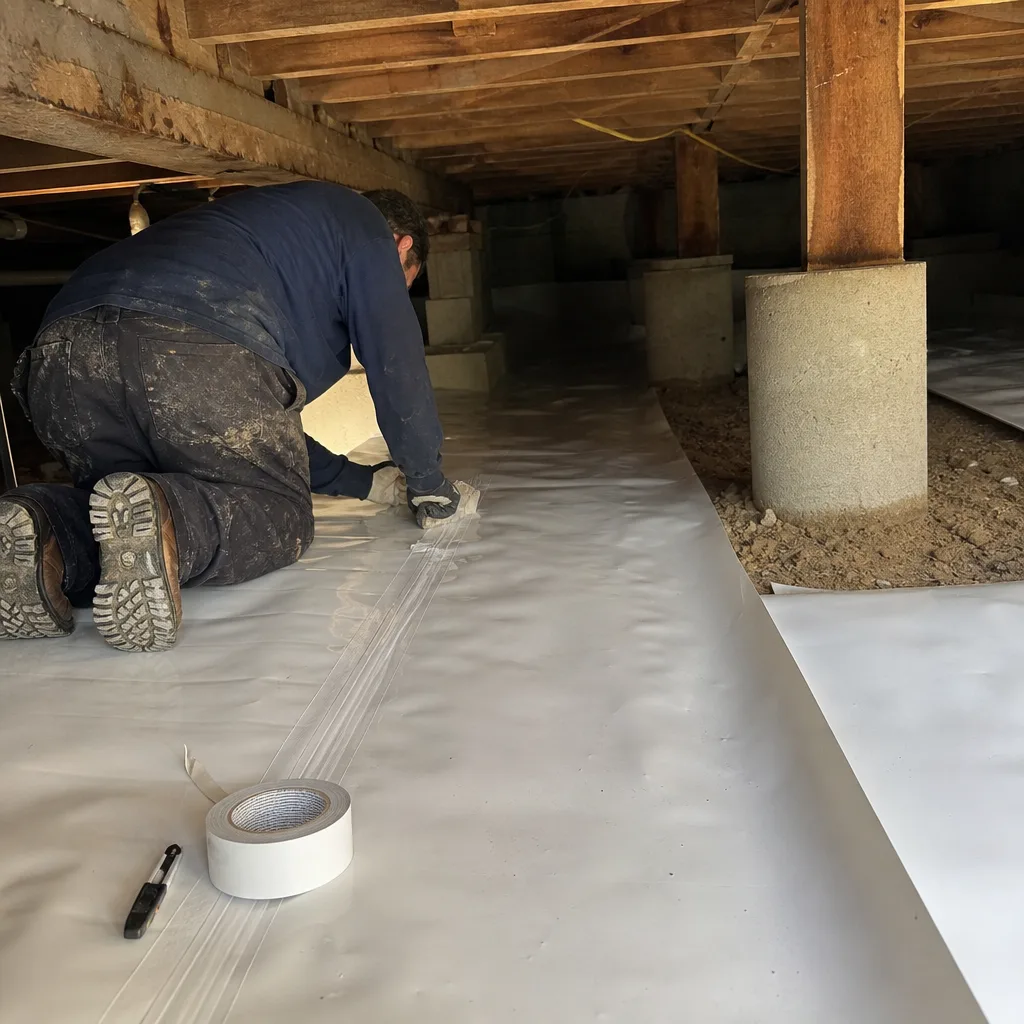
Replacement means removing the old insulation, treating any mold or pest issues, air sealing the attic floor, and installing fresh material to current code. In Long Beach, full replacement on a 1,200-1,800 sq ft home typically runs $2,400-$4,600. We handle all removal and disposal, including old cellulose, rock wool, and vermiculite. Post-elevation lift homes with open soffits and wind-blown rain intrusion are the most common replacement candidates we see; once the insulation has soaked and compressed, no amount of top-up saves it.
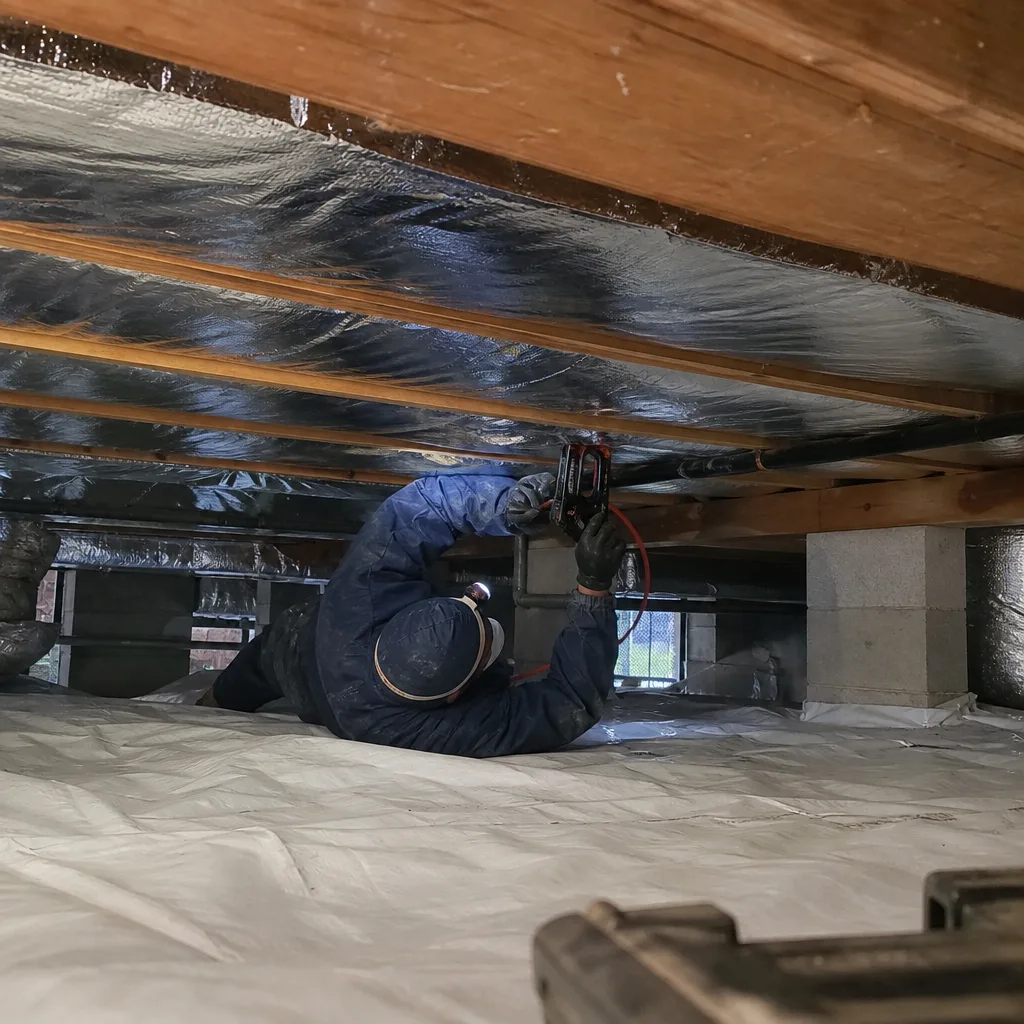
Attic Baffles & Ventilation Prep
Baffles keep your soffit vents open so air moves from the eaves to the ridge without pushing insulation into the vent channel. On Long Beach homes, especially those facing Reynolds Channel or the ocean, improper baffle placement lets wind-driven humidity saturate the rafter bays. We install rigid foam or foam-board baffles at every rafter bay, check that existing gable vents aren’t admitting salt spray, and recommend ridge vent additions where the current setup isn’t moving enough air. Baffle and ventilation prep on an average Long Beach attic runs $400-$900, often folded into the larger insulation scope.
What happens when you call
- 1
A real person answersNo phone trees - you reach a local pro.
- 2
You get an upfront price rangeHonest numbers before anyone is dispatched.
- 3
A background-checked tech heads outLicensed & insured, dispatched right away.
- 4
You approve before work beginsNothing starts until you say go.
Trusted Brands We Service in Long Beach
We stock Owens Corning, Johns Manville, and Knauf insulation materials in the truck for most Long Beach appointments, which means fewer return trips and less waiting when we discover an unexpected cavity depth or an undersized rafter bay. We also install Rockwool stone wool where fire resistance or sound attenuation matters, and closed-cell foam from Demilec and Icynene for elevated homes and windward roof decks. If you have a preferred material spec from an architect or energy audit, we’ll match it exactly and show you the manufacturer datasheet before we start.
Common Attic Insulation Problems We See in Long Beach Homes
- Salt-moisture compression: Rafter bays stuffed with fiberglass batts slowly wick salt-laden humidity from the attic’s passive gable vents, compressing under condensation until the material drops below R-11. This failure shows up as cold ceilings, not visible damage. We find it on nearly every pre-Sandy home we open up near the oceanfront.
- Wind-driven settling: Loose-fill fiberglass and cellulose in Long Beach attics settle unevenly because repeated nor’easter pressure differentials push air through the eaves. By mid-winter, the top 18 inches of attic floor can be bare, right when you need the insulation most. A depth check every few seasons is the cheapest insurance you’ll ever buy.
- Post-elevation soffit leaks: Homes raised after Hurricane Sandy often have open soffit details that weren’t fully closed during the lift. Wind-blown rain enters the attic plane, soaking batt insulation until the gypsum ceiling underneath shows brown tide lines. This is a Long Beach-specific failure we almost never see in Island Park or Oceanside.
- No wall insulation behind original siding: Many 1920s-1950s beach bungalows in Long Beach have zero insulation in their exterior walls, which means the attic becomes the only real thermal barrier in the house. When the attic insulation is also degraded, heating costs climb fast. We often pair attic replacement with dense-pack wall insulation in these older frames.
Pricing for Attic Insulation in Long Beach, NY
Here’s what we quote across Long Beach right now:
- Blown-in attic insulation (full floor, R-49): $1,400-$2,800
- Batt insulation (rafter bays, knee walls): $1,100-$2,200
- Attic insulation top-up (existing material dry and sound): $900-$1,700
- Full replacement including removal and disposal: $2,400-$4,600
- Closed-cell spray foam on elevated rafter bays or band joists: starts at $3,200
- Attic baffles and ventilation prep: $400-$900
Square footage, access, and whether old material needs full removal are the biggest cost drivers. Elevated homes with open floor cavities almost always run higher because we’re treating the windward side with closed-cell foam, not just blowing fiber over a flat attic floor. We provide a written upfront quote before any work starts, and our standing offers apply: $50 off any repair over $250, an $89 seasonal tune-up for existing insulation systems, and a permanent 5% discount for seniors and veterans. Call (855) 657-3403 for an exact Long Beach quote. Estimates are free.
We Also Serve Cities Near Long Beach
We work throughout the Five Towns and southern Nassau County, including Island Park, Oceanside, East Rockaway, Atlantic Beach, and Lido Beach. If you’re just over the Loop Parkway or the Long Beach Bridge in New York, or up in New Rochelle, Mount Vernon, or Yonkers, we can schedule most attic insulation jobs within the same week. Dispatch is coordinated from our New York City office, and crews serve Long Beach locally.
Serving Long Beach, NY - Our Local Coverage Area
We’re based in the Long Beach area and know this community well. Use the map below to see our service coverage - if you’re nearby, we can almost certainly help.
FAQs - Attic Insulation in Long Beach
Closed-cell spray foam is the standard for Long Beach elevated homes because it creates an air and moisture barrier that fiberglass can’t. On a post-Sandy lifted home, open pile foundations and exposed floor cavities channel salt-laden Atlantic and Reynolds Channel wind directly into the attic plane. Fiberglass batts in those bays absorb coastal moisture, collapse, and invite mold within a few seasons. On a flat attic floor with good ventilation, blown-in fiberglass is still a perfectly good and more economical choice. The right material depends on your home’s elevation and exposure. Call (855) 657-3403 and we’ll tell you straight which one fits your house.
Look for three things: visible settling or bare spots under the roof deck, brown tide lines on ceiling drywall, and a persistent cold spot in the upstairs rooms that no thermostat setting fixes. In Long Beach specifically, you should also check the gable vents for salt crust, which signals wind-driven spray is reaching the attic. If any of these are present, call us for a free inspection before the nor’easter season starts, because a small moisture problem now becomes a full mold remediation after the first winter storm. Our $89 seasonal tune-up includes a full attic inspection with photos.
Yes. Pre-Sandy bungalows usually fail from condensation, because their original gable vents don’t move enough air and the insulation absorbs humidity from inside the house. Lifted homes fail from wind-driven rain and salt spray entering through open soffits and unsealed band joists. Both end up with degraded R-value, but the fix is different; one needs ventilation correction and top-up, the other needs closed-cell foam at the windward boundaries. We diagnose which failure mode you have before recommending any work.
Aim for R-49 minimum in a Long Beach attic, per current New York code for this climate zone. The old R-30 standard assumed a dry, wind-protected attic, which doesn’t describe a barrier island house facing unobstructed ocean and bay wind. R-30 batts in those conditions compress, absorb moisture, and drop below R-15 within a few seasons. R-49 gives you a margin against settling and moisture degradation that R-30 never did. For elevated homes, we often exceed R-49 when closed-cell foam is part of the assembly, because the foam’s air-sealing value adds to the thermal performance in ways a batt can’t.
If the existing fiberglass is dry, even, and free of mold, a top-up is fine. If it’s compressed to half its depth, black with salt-moisture mold, or showing tide lines from past roof leaks, it needs to come out first. Blowing new material over compromised insulation traps moisture and accelerates mold growth. We’ll open a small inspection port in your attic, show you photos of what’s there, and give you a straight recommendation. If removal is the right call, we’ll quote it as part of the full job with no pressure and no surprise charges. Call (855) 657-3403 and a live person will schedule your inspection.
Why Long Beach’s Elevation History Changes Everything About Attic Work
Long Beach is a barrier island city, and Hurricane Sandy in 2012 forced wholesale elevation and reconstruction of a large share of its housing stock. Hundreds of homes now sit on open pile foundations or stem walls with exposed floor cavities facing relentless salt-laden Atlantic and Reynolds Channel winds. For attic insulation crews, that means the building envelope is fundamentally different from what you’d find in inland Nassau County. The attic isn’t just a cap on the living space; it’s the first line of defense against wind-driven moisture that enters from below, not just above.
Because elevated homes create a wind tunnel under the structure, air moves through the floor cavities, up the exterior walls, and into the attic plane in ways a slab-on-grade home never experiences. Closed-cell spray foam has become the de facto standard on these lifts because fiberglass batts in those open bays absorb coastal moisture, collapse, and invite mold within a few seasons. A spray-foamed band joist and rigid-insulated subfloor are non-negotiable on post-Sandy lifts. The same job in Valley Stream or Rockville Centre rarely comes with that complication.
On a raised 1920s bungalow on W. Beech Street, our crew cut open an attic knee wall and found punky R-13 fiberglass batts, collapsed to half their depth and black with salt-moisture mold where Reynolds Channel gusts had been forcing humidity under the eaves. We stripped the bays, sprayed two inches of closed-cell foam against the roof deck, and laid down a fresh R-49 fiberglass top-up. The homeowner noticed the drafty bedroom held its temperature before the next nor’easter. That’s the kind of repair sequence you only develop after years of opening up Long Beach attics and seeing how this island eats standard insulation details.
If you live in a pre-Sandy bungalow near the West End, a mid-century brick apartment along Shore Road, or a post-elevation home in the Presidente streets, your attic insulation needs are not the same as your cousin’s house in Oceanside. We know the difference, and we’ll spec the job accordingly. Call (855) 657-3403 for a free estimate, and we’ll send a background-checked, uniformed technician to your Long Beach home, most jobs completed in a single visit.
Written by Neil Ashford, Owner at Warmline Insulation Co., serving Long Beach since 2011.