
Fast, Reliable Attic Insulation Across Lyndhurst
If your Lyndhurst home was built between 1945 and 1965, your attic is almost certainly under-insulated. Most of these brick-veneer Cape Cods and split-levels left the factory with a thin layer of rock wool that settled decades ago, leaving you with ice dams in January and a furnace that never quits in July. Warmline Insulation Co. fixes this every week in Lyndhurst, usually in one visit. Call (855) 657-3403 and a live person answers, 24/7, not a voicemail tree. We’ll schedule a free estimate, inspect your attic, and give you an upfront price before any work begins.
What makes Lyndhurst different from Parma or University Heights is the brick. Your exterior walls cannot be opened from the outside without a mason, which means dense-pack blow-in through drill-and-fill is the standard approach here. We know exactly where the fire blocks hide in Cape Cod framing, how to handle plaster-over-lath ceilings, and which baffles work in the shallow eaves common to your era of construction. This is not generic insulation work. It’s Lyndhurst-specific, and it’s what our Attic Insulation team does best.
Why Warmline Insulation Co. Is Lyndhurst’s Preferred Attic Insulation Company
We’ve been insulating homes in Cuyahoga County since 2011, and Lyndhurst jobs have a rhythm all their own. The same era of construction repeats house after house: original 2×4 wall cavities, settled rock-wool batts, finished basements with moisture-damaged fiberglass, and attic hatches that leak like a chimney. Our technicians are background-checked and uniformed, and they arrive in Lyndhurst knowing what they’re going to find before they climb the pull-down stairs. Dispatch and scheduling are coordinated from our Cleveland office, but the crews working in your attic are local to the east side.
Homeowners here respond to specificity, not sales talk. They want to know we understand why the north eave gets ice while the south eave stays clear, or why the upstairs hallway is always five degrees colder than the living room. We answer those questions with thermal imaging, not guesses. And every job we complete in Lyndhurst carries our 90-Day Done Right Promise in writing. If it isn’t right, we make it right. That’s not a slogan. It’s a contract.
Neil Ashford, our owner, has built the company around one principle: diagnose before you insulate. That means our attic assessments in Lyndhurst include checking baffle condition, air-sealing the top plates, and verifying that old knob-and-tube wiring isn’t buried under insulation where it becomes a fire hazard. Most jobs are completed in a single visit.
Our Attic Insulation Services in Lyndhurst
We offer the full range of attic insulation work, but three services account for most of our Lyndhurst calls. Here’s what we actually do, and how it applies to your house.
Blown-In Attic Insulation
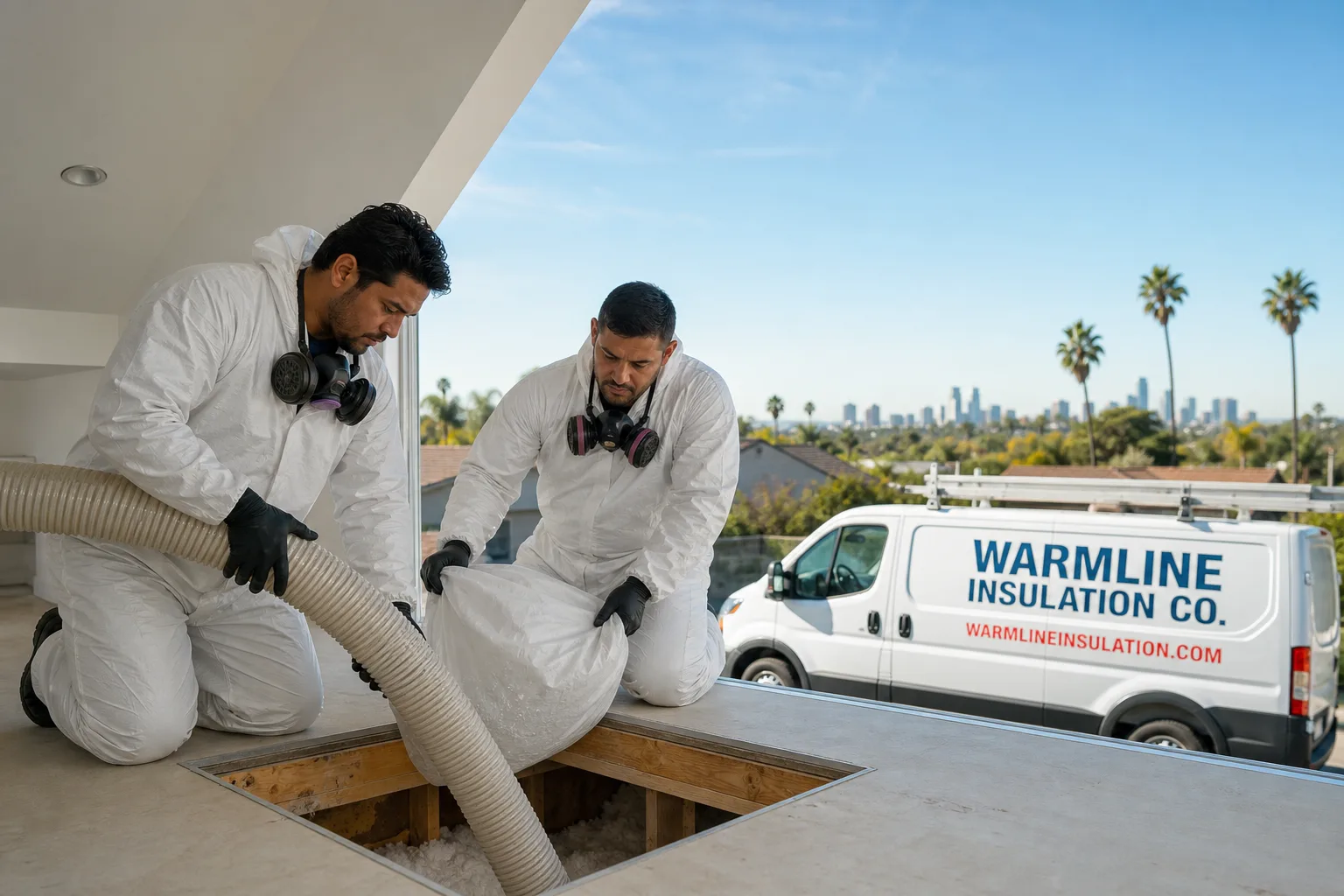
Blown-in fiberglass from Owens Corning or GreenFiber is the workhorse for Lyndhurst attics. It fills the irregular cavities in 1945-1965 framing far better than batts ever could, and it’s the standard solution for bringing an R-19 attic up to R-49 or R-60. On a Cape Cod off Mayfield Road, our crew spent a January morning dense-packing original 2×4 wall cavities with Owens Corning AttiCat blown-in fiberglass. The plaster-over-lath interior meant predrilling each stud bay through two layers of rock-hard plaster, and we hit a concealed horizontal fire block in six of ten cavities. That forced a second drill hole and a separate fill pass per bay. The homeowner had been watching ice dams build on the north eave every winter, and our thermal scan after dense-packing showed the attic-to-wall transition sealed tight enough to stop the melt-and-refreeze cycle.
In Lyndhurst specifically, blown-in work almost always includes drill-and-fill through interior plaster, because the brick exterior rules out the exterior-injection method you’d use on a vinyl-sided house in Mentor or Willoughby. Anyone who tells you otherwise hasn’t done the work here.
Attic Batt Insulation
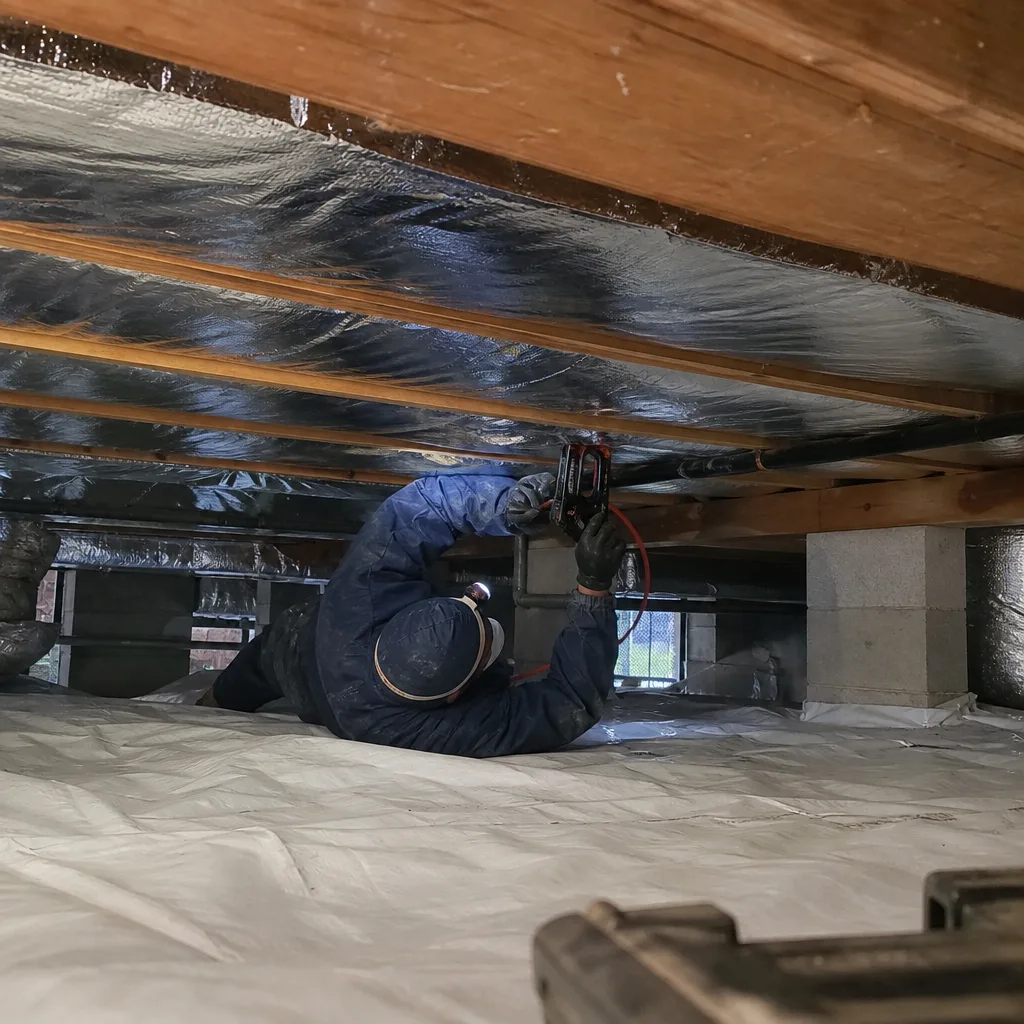
Batts still have their place in Lyndhurst, mostly in unfinished attic floors with standard joist spacing, or in knee-wall cavities behind the upstairs bedrooms of Cape Cods. We stock Johns Manville and Knauf batts in the R-values most common to this housing stock, and we cut them to fit the oddball stud spacing you find in pre-1960 framing, which was often 16 inches on center but just as often wasn’t. A handyman with a utility knife and a roll of R-19 from the home center won’t account for the settled rock wool already in your floor cavities, and that’s how you end up with a double vapor barrier and trapped moisture.
Attic Insulation Top-Up
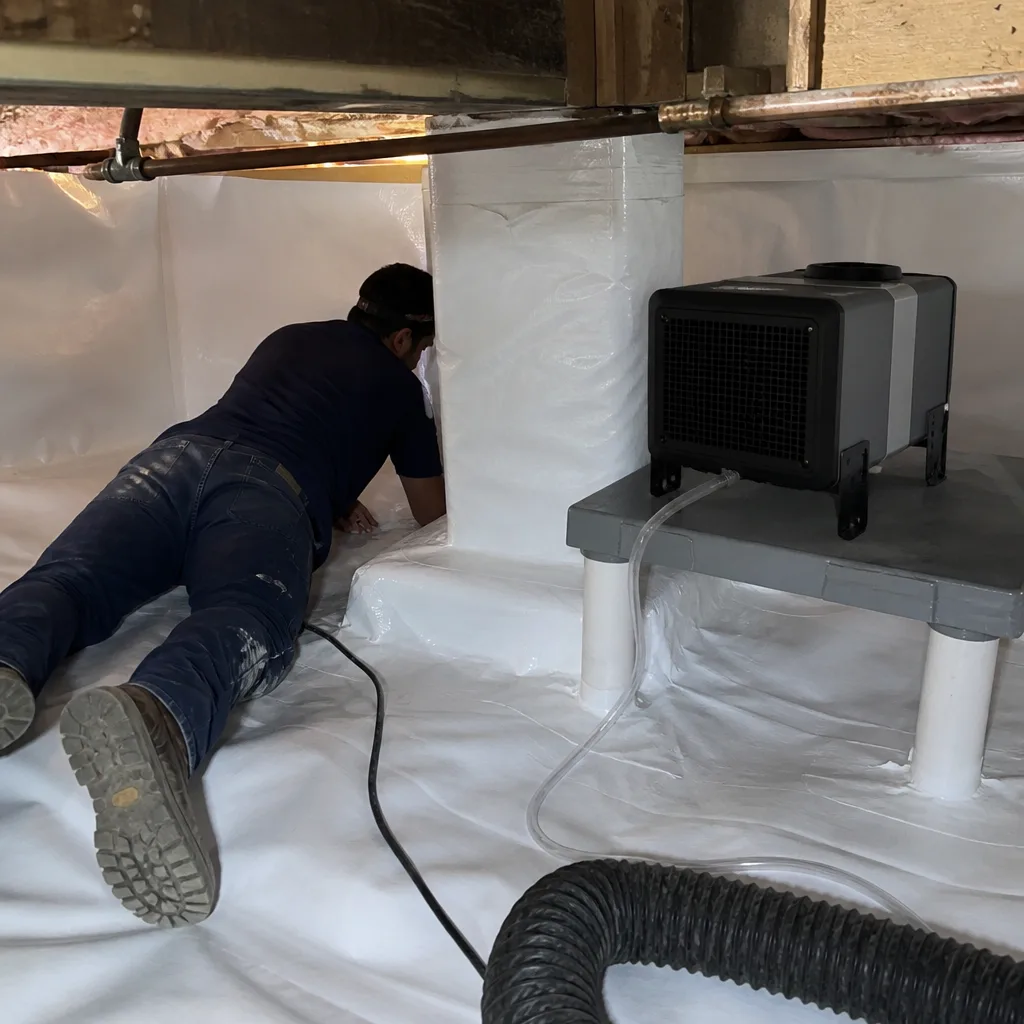
A top-up is the most cost-effective attic improvement for Lyndhurst homes. If your attic has any insulation at all, even if it’s settled and compacted, we can often add a layer of blown-in fiberglass on top without removing the old material. This is the fastest path from R-15 or R-19 up to the R-49 that modern code expects for Climate Zone 5. The catch is that a top-up only works if the existing insulation is dry and pest-free. In Lyndhurst homes with original rock-wool batts that have been wet from ice dams or rodent activity, we’ll recommend full removal and replacement instead, and we’ll show you why with photos from your own attic.
Attic Insulation Replacement
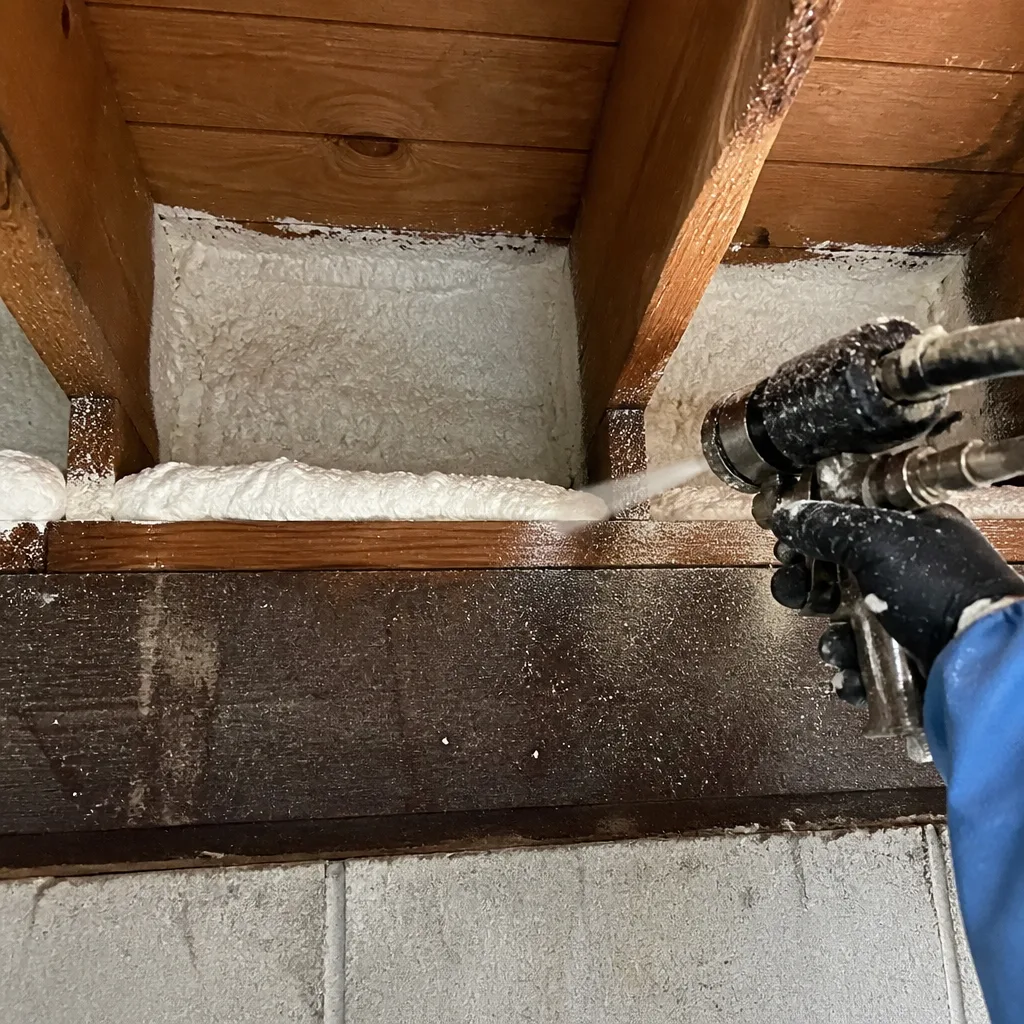
When original insulation is compressed, moldy, or shredded by squirrels, replacement is the honest answer. We remove the old material, air-seal the attic floor, and install fresh blown-in or batt insulation to the R-value you need. In Lyndhurst’s lake-effect snow corridor, replacement work often goes hand-in-hand with baffle installation, because the original 1960s-era cardboard baffles have long since collapsed and blocked soffit ventilation. Attached garages and finished basements added in the original build often contain moisture-damaged fiberglass batts from decades of Cuyahoga County freeze-thaw, so an attic-only top-up sometimes still lets heat leak through the connected spaces. We’ll tell you if that applies to your house before we quote the job.
What happens when you call
- 1
A real person answersNo phone trees - you reach a local pro.
- 2
You get an upfront price rangeHonest numbers before anyone is dispatched.
- 3
A background-checked tech heads outLicensed & insured, dispatched right away.
- 4
You approve before work beginsNothing starts until you say go.
Trusted Brands We Service in Lyndhurst
We install insulation from manufacturers whose products have performed in Northeast Ohio winters for decades: Owens Corning, GreenFiber, Johns Manville, and Knauf. We do not push a single brand onto every job. The right product depends on your attic geometry, ventilation setup, and budget. Because we stock material locally and run Lyndhurst jobs on a regular schedule, turnaround is days, not weeks. If you know you want a specific brand, say so when you call and we’ll quote it. If you aren’t sure, we’ll recommend whichever product gets you to the R-value you need at the best cost per square foot.
Common Attic Insulation Problems We See in Lyndhurst Homes
- Settled rock-wool batts below the top plate. The original insulation in Lyndhurst’s 1945-1965 Cape Cods settles over time and leaves a cold gap at the wall-to-attic transition. That gap feeds ice dams in lake-effect winters and robs heat from every room below. The fix is dense-pack or blown-in fill at the perimeter, not just more insulation in the center.
- Ice dams on north-facing eaves. Lyndhurst sits squarely in the Lake Erie snow belt, where annual snowfall and freeze-thaw cycling is measurably heavier than on Cleveland’s west side or inland suburbs. Heat escaping through an under-insulated attic melts the snowpack on the roof, and the melt refreezes at the cold eave. Proper attic insulation and air sealing breaks that melt-and-refreeze cycle.
- Collapsed cardboard baffles blocking soffit vents. Many original Lyndhurst baffles were made of treated cardboard, and they’ve disintegrated. Blocked soffit ventilation means the attic overheats in summer and condenses moisture in winter. We replace them with rigid foam or plastic baffles before adding insulation.
- Plaster-over-lath walls that complicate dense-pack work. Most pre-1960 Lyndhurst homes have plaster interior walls, not drywall. Dense-packing those cavities requires drilling through two layers of hard plaster, and hitting a concealed horizontal fire block mid-cavity is common in Cape Cod framing. That means a second drill hole and a separate fill pass per stud bay. Skipping that step leaves the lower cavity half-empty, which is exactly the kind of shortcut that shows up in your heating bill.
Pricing for Attic Insulation in Lyndhurst, OH
Here are real numbers for the Lyndhurst market, based on the jobs we complete here regularly.
- Attic insulation top-up, 1,000 sq ft attic: $1,400-$2,200
- Full attic insulation replacement, 1,000 sq ft attic: $2,800-$4,500
- Dense-pack wall insulation, per stud bay (drill-and-fill through plaster): $85-$140 per bay, including patch repair
- Attic baffles and ventilation prep: $8-$14 per baffle installed, depending on attic access
- Air sealing top plates and attic bypasses (add-on): $350-$700 for a typical Lyndhurst Cape Cod
What moves the number is attic accessibility, the depth of existing insulation if removal is needed, and how many wall cavities need drill-and-fill. A finished attic with knee walls costs more than an open attic with a pull-down stair. We give you an exact, line-item quote before any work starts, and the estimate is free. Call (855) 657-3403 and we’ll walk your attic with you and show you exactly what we’d do and what it costs.
Keep in mind we also offer $50 Off Any Repair Over $250, an $89 Seasonal Tune-Up, and a permanent 5% Senior & Veteran discount. If you qualify, we’ll apply it when we quote, not as a gotcha at the end.
We Also Serve Cities Near Lyndhurst
Warmline Insulation Co. serves Attic Insulation in Lyndhurst and the surrounding east-side communities including Cleveland, Shaker Heights, Parma, and University Heights. If you’re in Lyndhurst proper or just across the border, the same crews, the same 90-Day Done Right Promise, and the same live-person phone line apply. We schedule by zip code, not by distance-from-some-far-away-office, so Lyndhurst runs get grouped together for faster response.
Serving Lyndhurst, OH - Our Local Coverage Area
We’re based in the Lyndhurst area and know this community well. Use the map below to see our service coverage - if you’re nearby, we can almost certainly help.
FAQs - Attic Insulation in Lyndhurst
The brick veneer on Lyndhurst’s mid-century homes is a finished structural surface. Removing or cutting through it from the outside means matching brick, repointing mortar, and dealing with a patch that never looks right. Drilling through interior plaster is faster, cheaper, and preserves the exterior. The trade-off is that plaster-over-lath walls are dense and dusty to drill, and they often conceal horizontal fire blocks that require a second drill hole per stud bay. We budget for that on every Lyndhurst drill-and-fill job. Call (855) 657-3403 for an exact quote on your walls.
Ice dams don’t require extreme snow load. They start when the attic is warm enough to melt the underside of the snowpack while the eave stays below freezing, which happens routinely in Lyndhurst’s lake-effect winters after just a few inches of snow. The fix is keeping the attic temperature close to the outdoor temperature, and that means R-49 or better insulation plus air sealing at the top plates. A north-facing eave on a Cape Cod with settled rock wool is the classic Lyndhurst ice-dam candidate. We fix it with blown-in insulation and baffle repair.
A top-up adds new blown-in insulation on top of existing material that’s still dry and structurally sound. It’s faster and costs less, typically $1,400-$2,200 for a 1,000 sq ft attic. A full replacement removes all the old material first, which is necessary when the original rock wool is wet, moldy, compressed, or full of rodent waste. Replacement runs $2,800-$4,500 for the same attic and includes air sealing. In Lyndhurst homes where ice dams or roof leaks have wet the insulation, a top-up won’t fix the underlying problem. We’ll inspect before we quote, and we’ll show you photos either way.
Yes, but less than you might think. The baffles themselves install in the rafter bays at the soffit, so the ceiling material matters less than the rafter spacing and the condition of the existing soffit vents. What matters more is the shallow eave depth common to 1950s Cape Cods in Lyndhurst. Some of those rafter bays are tight, and we use low-profile baffles that fit without crushing against the roof deck. If your soffit vents are blocked by old cardboard baffles, we replace them as part of ventilation prep before any new insulation goes in.
No, not without invasive brick work. On a brick veneer ranch, the exterior face is masonry, so the drill-and-fill access has to come from the interior. If your interior is finished with drywall or plaster, we drill the interior surface, dense-pack the cavity with blown-in fiberglass, and patch the holes. For finished basements or rooms you don’t want disturbed, we can sometimes access wall cavities from an attached garage or unfinished space, but the standard Lyndhurst brick ranch job goes through the interior. Call (855) 657-3403 and we’ll tell you exactly where we’d need to drill before you commit to anything.
Ready to Fix Your Attic? Call Now
Stop losing money through your attic and get a plan that actually holds up in a Lyndhurst winter. Warmline Insulation Co. has been helping east-side homeowners since 2011, and every job is backed by our 90-Day Done Right Promise. A live person answers every call, 24/7, at (855) 657-3403, and your estimate is free. Most jobs are completed in a single visit. We know the houses in your neighborhood because we work in them every week, and we’ll treat your plaster walls and brick veneer like they’re our own. Call (855) 657-3403 today.
Written by Neil Ashford, Owner at Warmline Insulation Co., serving Lyndhurst and the surrounding east-side communities since 2011.