
Fast, Reliable Attic Insulation Across Naperville
Attic insulation in Naperville typically costs $1.80 to $4.50 per square foot installed, with the most common job, a blown-in top-up over existing fiberglass, running $1,400 to $2,800 for a standard two-story colonial. Most Naperville homes we visit need the work done within a week, and we regularly complete single-visit jobs for homeowners between I-88 and 95th Street. Warmline Insulation Co. knows the exact failure patterns of 1985-2005 Naperville housing stock, because we’ve opened hundreds of those attics. Call (855) 657-3403 and a live person answers, 24/7, no voicemail runaround.
Why Warmline Insulation Co. Is Naperville’s Preferred Attic Insulation Company
Warmline has been fixing thermal envelopes since 2011, and the bulk of our service calls in Naperville come from homeowners who have lived in the same house for fifteen or twenty years and suddenly realize their heating bills no longer make sense. They find us because a neighbor off Hobson Road recommended us, or because they saw our trucks parked on a cul-de-sac near Springbrook Prairie, or because their February ice dam sent them searching for someone who actually understands why it keeps coming back. We do. The houses tell us the story.
Every technician who walks into a Naperville home is background-checked, uniformed, and trained specifically on the pathologies of Midwest suburban construction: compressed cathedral batts, unsealed rim joists behind finished drywall, and drop-soffit bypasses above kitchen cabinets. We carry material from Owens Corning, Rockwool, Johns Manville, Knauf, and CertainTeed in our trucks, so when a top-up over a south Naperville great room requires R-49 blown-in fiberglass with a specific vapor profile, we have it on site that day, not “ordered and arriving next week.”
Our 90-Day Done Right Promise is written into every contract: if you find a gap we missed, a cold spot we didn’t fix, or an air leak we sealed poorly, we come back and make it right at no charge. That’s not a marketing line. It’s the reason homeowners in Naperville keep our number saved in their phones.
Our Attic Insulation Services in Naperville
Blown-In Attic Insulation
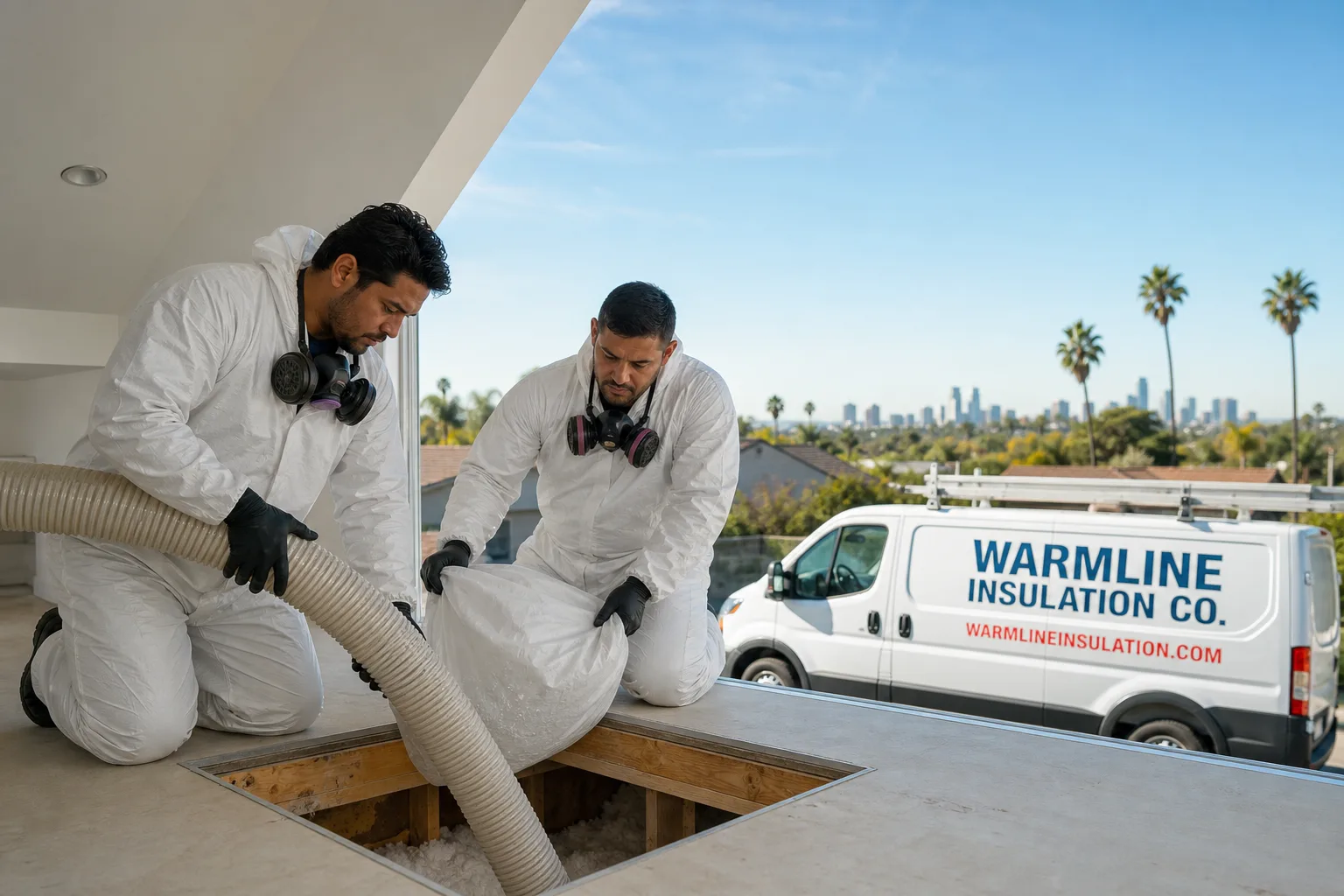
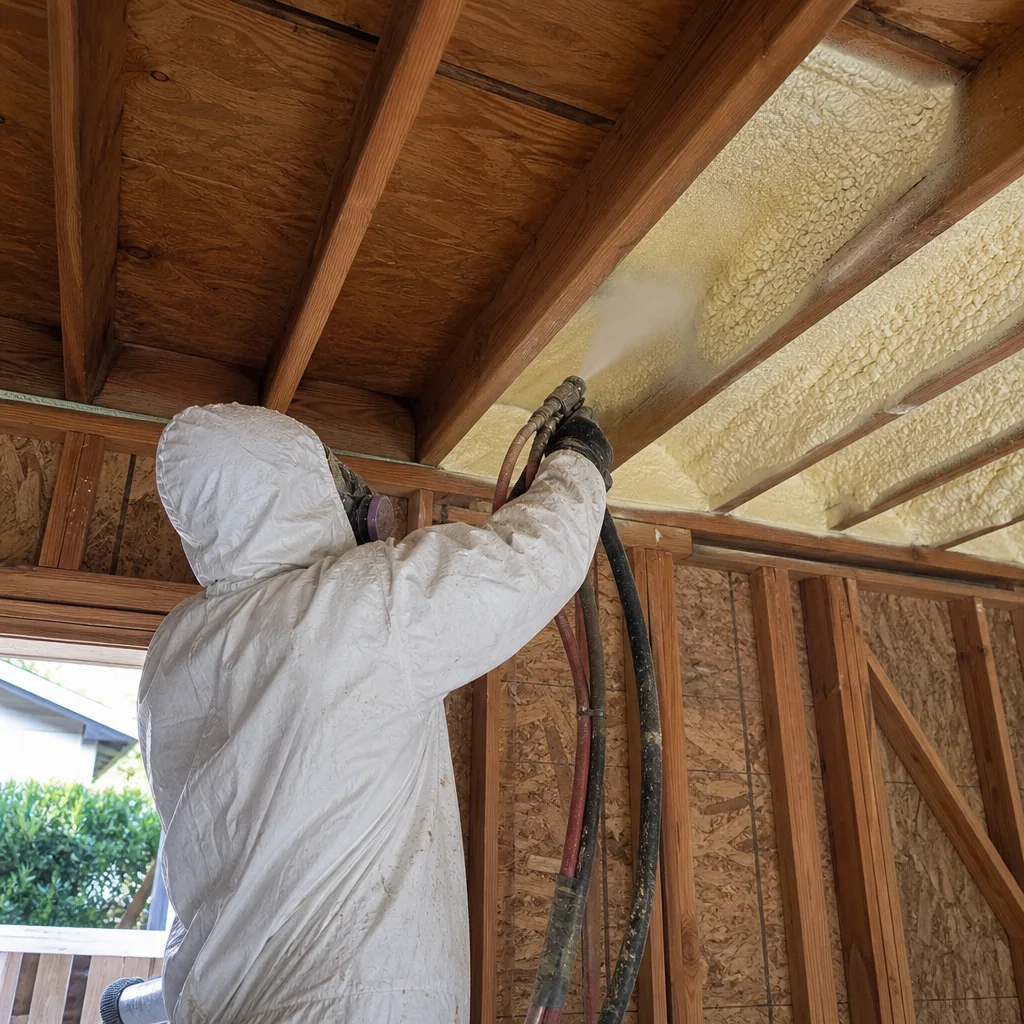
For flat-accessible attics above 1985-2005 Naperville colonials, blown-in fiberglass or blown-in cellulose is almost always the right call. We dense-pack and layer to true R-49 or beyond, carefully working around can lights, bath fans, and wiring so the coverage is continuous, not lumpy. Blown-in lets us fill the weird voids inside a mid-90s attic with far better consistency than hand-cut batts ever will.
Attic Batt Insulation
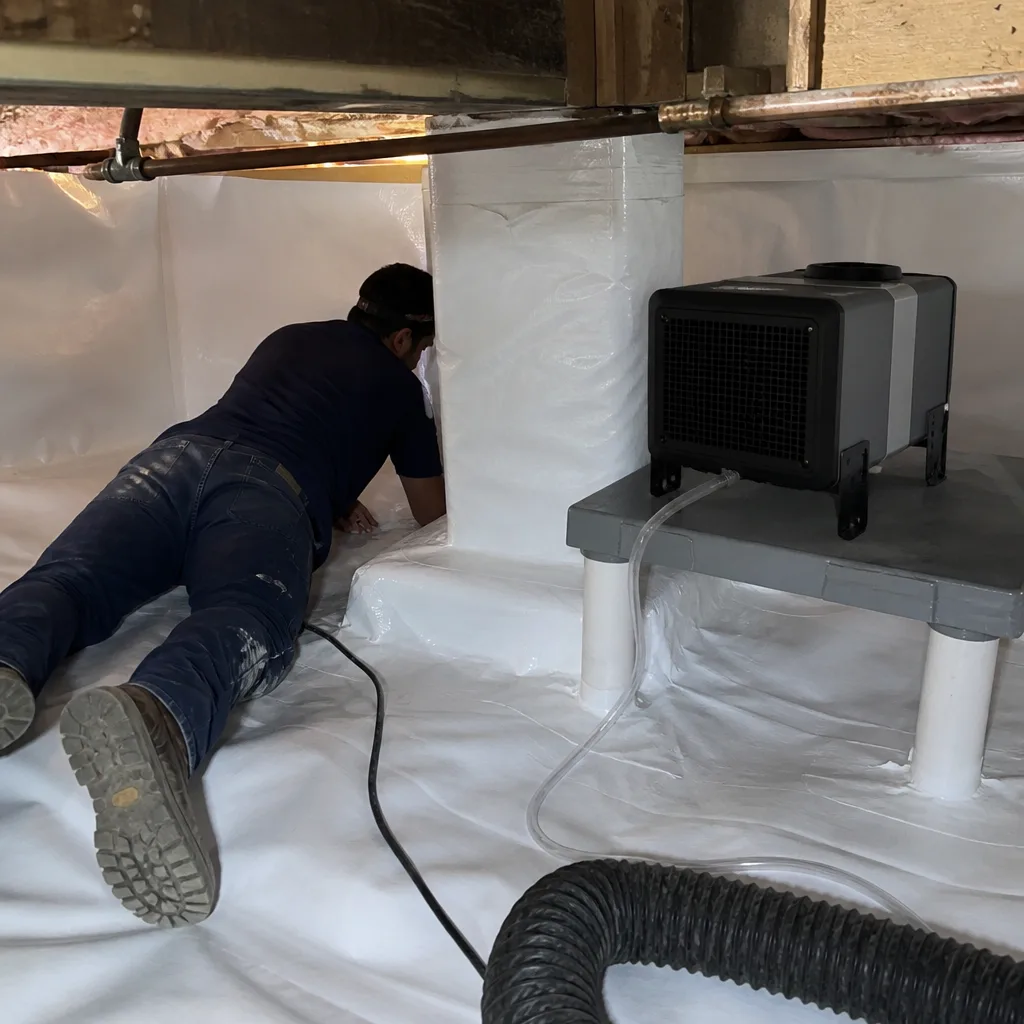
Batt insulation has its place in Naperville, especially for sidewall kneewalls, short attic knee spaces, and cathedral ceiling retrofits where blown product won’t stay put without careful netting. We use Rockwool and CertainTeed batts that hold their shape over time and won’t slump like the compressed R-19 junk we routinely pull out of great-room rafters along Route 59 corridor homes. Replacing failed batts requires precision, not brute force; we cut to fit, not stuff to fill.
Attic Insulation Top-Up
The single best dollar-per-therm upgrade for a 1990s Naperville home is a top-up over existing attic insulation. Most of those attics have R-30 fiberglass, which was code in 1995. Today’s Climate Zone 5 recommendation is R-49 to R-60. We blow in enough additional fiberglass to bring the full assembly up to R-49 or above, after we confirm what’s already up there and verify the attic hasn’t trapped moisture under the old layer. A top-up in south Naperville usually takes three to four hours.
Attic Insulation Replacement
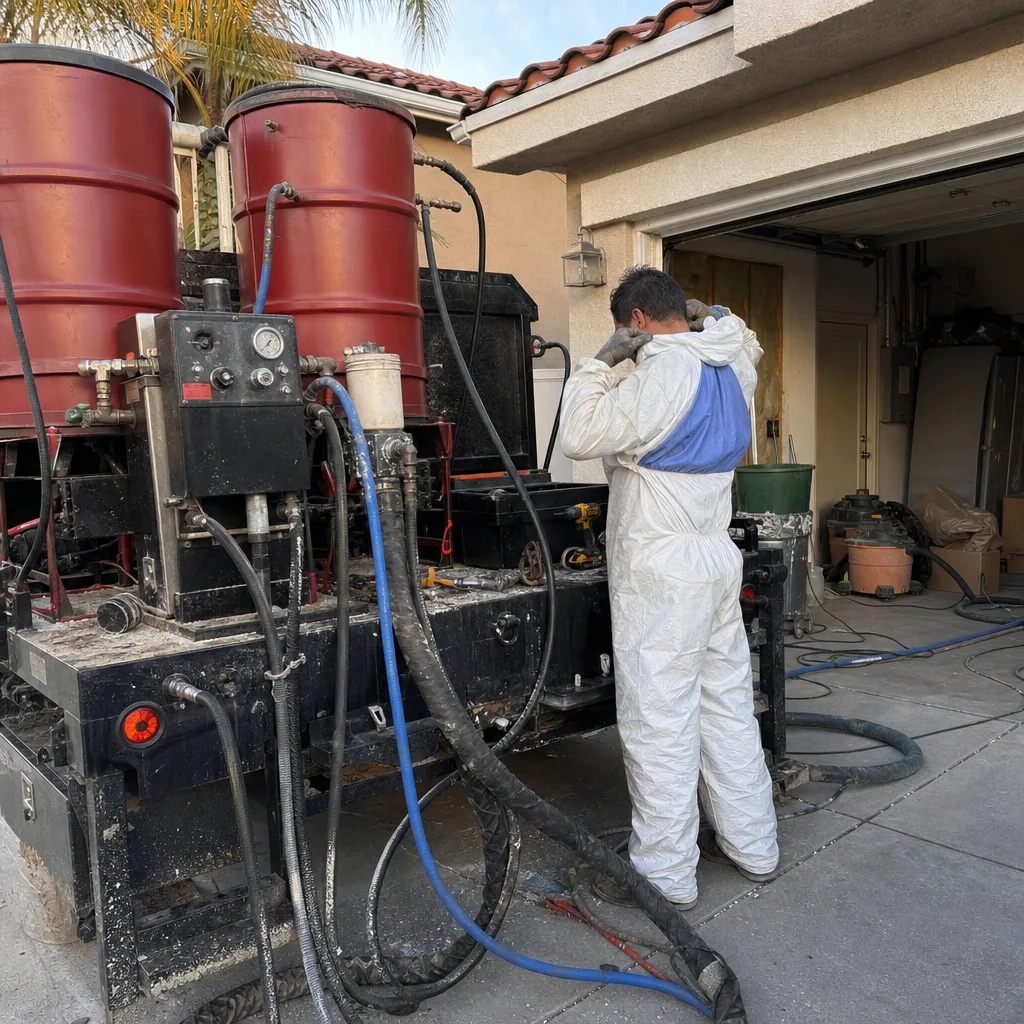
When attic insulation in Naperville is water-stained from ice damming, compressed by years of foot traffic, or saturated with mouse nesting and debris, removing it first is the honest answer. We vacuum out the old material, inspect every inch of the attic floor and roofline, air seal the bypasses that caused the problem, and install fresh material to current standards. Replacement costs more than a top-up, but for homes with a failed thermal envelope, it’s the only fix that actually ends the recurring problem.
What happens when you call
- 1
A real person answersNo phone trees - you reach a local pro.
- 2
You get an upfront price rangeHonest numbers before anyone is dispatched.
- 3
A background-checked tech heads outLicensed & insured, dispatched right away.
- 4
You approve before work beginsNothing starts until you say go.
Attic Baffles & Ventilation Prep
Naperville’s cold Januaries and humid July afternoons mean attic ventilation can’t be an afterthought. Soffit baffles are tiny plastic or foam channels that keep blown-in insulation from blocking airflow at the eaves. When we run an Attic Insulation job in Naperville, we install baffles at every soffit vent, confirm the ridge or box vents are clear, and check that the bathroom and kitchen exhaust fans actually terminate outside rather than dumping moisture into the attic. That’s the difference between a house that holds heat in the living space and one that rots its sheathing from the inside.
Trusted Brands We Install in Naperville
We stock and install Owens Corning AttiCat blown-in fiberglass, Rockwool batt and board products, and CertainTeed fiberglass batts on Naperville jobs every week. Our trucks carry material for same-day top-ups, replacements, and cathedral dense-packing, so we don’t have to tell a homeowner on the DuPage River’s east side that we’ll “come back next week with the right product.” Johns Manville and Knauf product lines round out our inventory for specialized applications including rim joist retrofit and sound control between finished basement ceilings and first floors.
Common Attic Insulation Problems We See in Naperville Homes
- Ice dams on rear rooflines of great-room colonials: The cathedral ceiling cavity above the living room was packed with compressed R-19 batts that don’t reach the roof deck, leaving a void where warm attic air melts snow at the roof peak. January and February calls spike every year along Naper Boulevard and the subdivisions east of Washington Street.
- Uninsulated rim joists behind finished basement drywall: Warm air leaks out at the band board where floor meets foundation, making great-room floors above feel drafty. We see this in nearly every 1985-2005 colonial we open in Naperville, and the fix requires cutting access behind drywall rather than simply adding attic insulation.
- Cathedral ceiling thermal voids: The top third of many cathedral cavities sits empty because original builders relied on friction-fit batts that have since slumped. This produces cold spots that read on thermal imaging as a stripe along the highest wall line – a signature we find repeatedly in south Naperville homes off 95th Street and Book Road.
- Unsealed drop soffits and garage-house transitions: Above kitchen cabinets and behind the wall separating garage from mudroom, original construction left gaps that allow warm interior air to pressurize wall cavities. The result is ceiling-corner staining, frost on the underside of sheathing, and humid attic air in summer that can condense into mold around roof penetrations.
Pricing for Attic Insulation in Naperville, IL
Here’s what Naperville homeowners can expect to pay for the most common projects we complete:
- Blown-in top-up over existing R-30 insulation (1,800-2,400 sq ft attic floor): $1,400-$2,800
- Full attic insulation replacement (remove, air seal, re-install to R-49): $3,200-$6,800
- Cathedral ceiling dense-pack (per 12×12 ft great-room bay): $900-$1,800
- Batt installation in attic kneewalls or rim joist areas (per 100 sq ft): $350-$750
- Attic baffle installation and ventilation prep (typical colonial with 20 soffit vents): $400-$900
Larger homes, cathedral work, or attics with old water damage will push costs toward the higher end of these ranges. Every estimate includes specific square footage measurements and a written scope, not a ballpark guess. We give free estimates, and our pricing is upfront, so the number on the quote is the number on the invoice. Seniors and veterans take 5% off every project, permanently. Ask about $50 off any repair over $250 when you schedule.
Call (855) 657-3403 for an exact quote on your Naperville attic. A live person answers, day or night.
We Also Serve Cities Near Naperville
Warmline’s crews run insulation jobs throughout the western and southwestern suburbs every week. Beyond Naperville, our technicians routinely handle attic insulation projects in Downers Grove, Elk Grove Village, Orland Park, and Schaumburg. Scheduling and dispatch run through our Chicago office, but the crews who arrive at your door know these neighborhoods and their housing stock cold.
Serving Naperville, IL - Our Local Coverage Area
We’re based in the Naperville area and know this community well. Use the map below to see our service coverage - if you’re nearby, we can almost certainly help.
FAQs - Attic Insulation in Naperville
Because the cathedral ceiling cavity above the great room was almost never insulated correctly at construction. Builders used compressed R-19 batts that don’t reach the roof deck, leaving an air channel where warm interior air leaks up and melts snow on the back roof. The water refreezes at the eaves and backs up under shingles. The fix is dense-packing the cavity to R-38 effective and adding exterior baffles, not simply adding more attic floor insulation. Call (855) 657-3403 for a free inspection of your great-room cavity.
Air sealing must happen before you add insulation, especially in a 1990s Naperville colonial with original drop soffits and garage-house transitions. Blowing new fiberglass over an attic floor that leaks warm air into the roof cavity is like putting a thicker blanket on a window you left open. We always seal bypasses at the attic floor, around furnace flues, plumbing vents, and hidden soffit gaps, then top up to R-49 or higher. The whole job is usually done in a single visit.
Naperville’s summer dew points regularly reach the upper 60s, which means any vapor retarder placed on the wrong side of an assembly can trap condensation inside your walls or roof. For attic floor applications, we never install a polyethylene barrier above the ceiling, because it would trap winter moisture rising from the living space. For cathedral ceilings, a smart vapor retarder or carefully placed kraft-faced batt is the right call; we spec it case by case based on the cavity depth and whether the roof deck has any existing air gap.
Codes improved, but enforcement and builder shortcuts didn’t disappear. Many Naperville homes built between 2000 and 2005 still have rim joists left uninsulated behind finished basement drywall, drop soffits that were never foamed, and cathedral cavities with batts that don’t reach the deck. The code told builders to insulate to R-38; it didn’t ensure they sealed every bypass or filled every cavity completely. We find the same defects in 2004 stock that we find in 1996 stock.
Blown-in is better for attic floors because it fills gaps, settles into odd corners, and layers over existing material without seams. Adding batts over batts can create a thermal break that lets heat rise between the layers, especially in irregular Naperville attics with sloped transitions and truss chords. If you already have batts that are dry and intact, we can blow fiberglass over them; if they’re compressed or water-stained, we remove them and start fresh. Estimates are free, so call (855) 657-3403 and we’ll take a look.
Naperville’s Hidden Attic Failure: What Makes These Houses Different
Naperville’s build-out between 1985 and 2005 created thousands of large two-story colonials in subdivisions along Route 59, Book Road, Naper Boulevard, and the streets branching off 95th. These houses look solid: brick fronts, tall great rooms, wide driveways. But underneath the drywall, the attic and wall cavities are full of construction-era shortcuts that are just now becoming expensive problems. The dominant failure in Naperville is the cathedral ceiling over the great room, where original builders stuffed R-19 batts into a cavity designed for R-38. The batts sag, compress, and lose contact with the roof deck, leaving an air void across the top third of the rafter bay.
We pulled back drywall on a brick-front colonial off 95th Street last winter after the homeowner noticed water staining at the rear edge of a great-room ceiling. The cathedral cavity inside was packed with sagging, compressed R-19 fiberglass, completely separated from the roof deck. An empty air channel ran from soffit to ridge, acting like a chimney for warm interior air. We dense-packed that cavity with Owens Corning AttiCat blown-in fiberglass at R-38 effective, added exterior baffles at the soffits, and resealed the garage-to-house transition. When the next melt cycle arrived in March, the ice dam didn’t. The stains never returned.
That same failure signature shows up across Naperville’s south and west subdivisions. Warrenville Road, 75th Street, Rickert Drive, and the streets east of Washington Junior High all have houses from this build era with the same hidden defect. Aurora and Bolingbrook have older and newer stock mixed in, but Naperville’s concentrated 1985-2005 construction window creates a retrofit density you won’t find in surrounding communities. Most of those homeowners can afford the fix, too. Naperville’s property values and household incomes have consistently ranked among the highest in the state, which means when we recommend R-49 blown-in plus air sealing, we’re usually talking to someone who wants it done right, not patched.
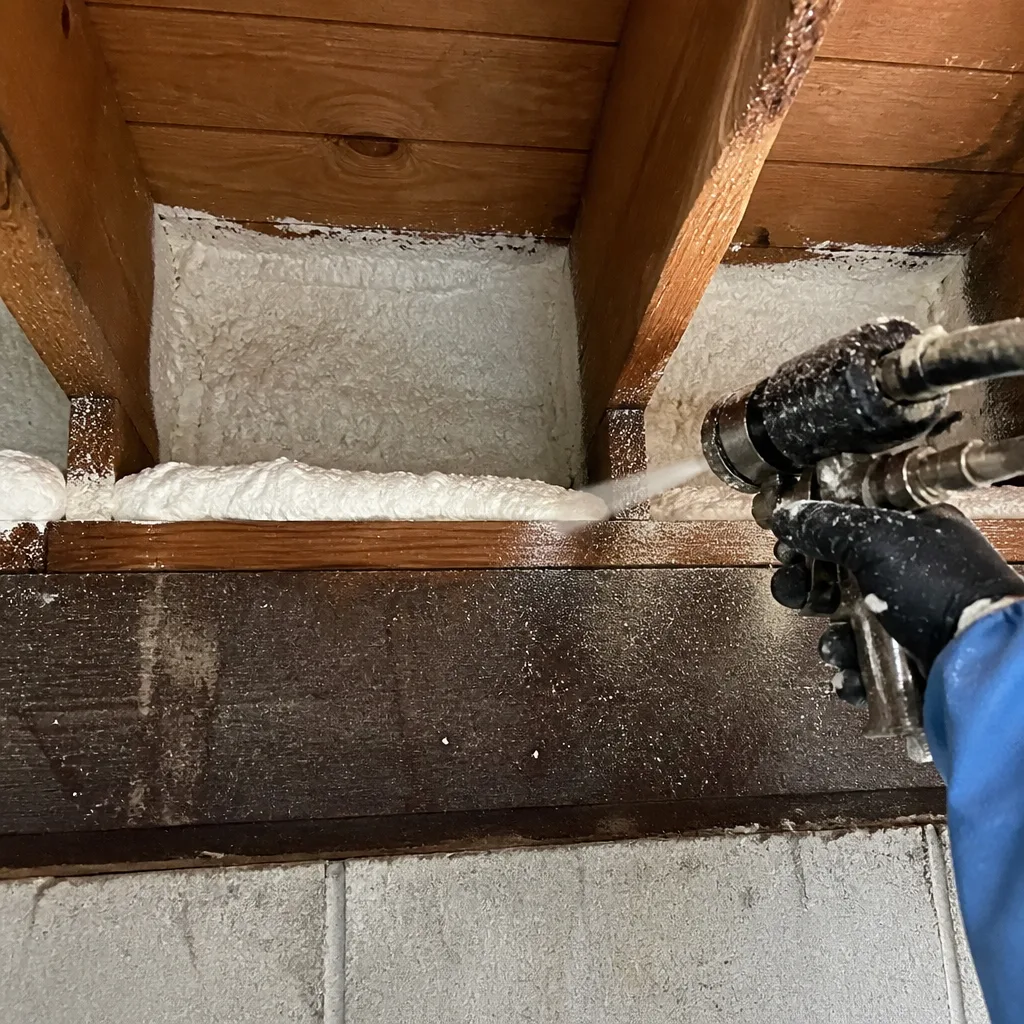
The second big problem is rim joists. In a 1990s Naperville colonial with a finished basement, the rim joist behind the drywall at the top of the foundation wall was almost never insulated. Warm interior air leaks out at the band board where the floor meets the foundation, which is why the great-room floor directly above the basement can feel ten degrees colder than the rest of the room. Fixing it requires cutting access panels behind finished drywall or working from the exterior through rim board areas along the foundation. We perform that work as part of our full-spectrum retrofit service, along with air sealing at drop soffits and garage walls.
If you own a house in Naperville built between 1985 and 2005, your attic insulation probably falls short of what your house actually needs. The good news is that the fix is well understood, and Warmline does it every week. Most jobs are completed in a single visit. Our estimate is free, and the warranty is in writing. Call (855) 657-3403 to schedule yours.
Written by Neil Ashford, Owner at Warmline Insulation Co., serving Naperville and the surrounding western suburbs since 2011.